You know, there’s just something incredibly captivating about weddings, isn’t there? That beautiful blend of tradition, joy, and the promise of forever.
But if you’ve ever had the chance to truly dive into the heart of Southeast Asia, specifically Malaysia, you’ll quickly realize that their approach to saying “I do” is on a whole different level!
I’ve been incredibly fortunate to witness some of these breathtaking ceremonies firsthand, and let me tell you, it’s like stepping into a living, breathing cultural masterpiece every single time.
From the solemn beauty of a Malay akad nikah to the vibrant, week-long celebrations of an Indian wedding, and the intricate tea ceremonies that mark a Chinese union, Malaysia offers a kaleidoscope of matrimonial traditions unlike anywhere else on Earth.
What truly mesmerizes me is how these diverse communities don’t just cling to their ancient customs, but often weave them seamlessly with modern touches, creating something uniquely personal and deeply meaningful.
It’s a powerful testament to their rich heritage and how they’re moving into the future while honoring the past. So, if you’re as fascinated as I am by these incredible displays of love, culture, and community spirit, you’re in for an absolute treat.
Let’s delve deep into this enchanting world and uncover all the incredible details together!
Malaysia is truly a vibrant tapestry of cultures, and nowhere is this more beautifully showcased than in its wedding celebrations. As someone who’s had the incredible privilege of experiencing these festivities firsthand, I can tell you, they’re not just events; they’re deeply personal journeys that blend ancient customs with modern flair, creating memories that last a lifetime.
You see, it’s not just about two people saying “I do”; it’s about families uniting, communities celebrating, and a rich heritage being honored. Each wedding feels like a living story, full of color, emotion, and delicious food that you just can’t get enough of!
The Heart of Malay Nuptials: Solemnity and Celebration
Stepping into a Malay wedding, you immediately feel this beautiful balance of solemn tradition and exuberant festivity. It’s a multi-day affair that truly encapsulates the essence of family and community. The journey usually begins with a “merisik,” which is a really sweet, almost old-fashioned way of asking for a woman’s hand in marriage, often involving an older family member. While modern couples might already know each other well, this initial formal visit sets a respectful tone for everything that follows. Then comes the “bertunang,” the engagement ceremony, where families exchange gifts, beautifully arranged on trays called “hantaran,” symbolizing their mutual acceptance and commitment. I’ve seen some incredible “hantaran” displays, from intricate traditional items to modern gadgets, all presented with such care and artistry. It’s a powerful visual representation of the union of two families, not just two individuals.
The Sacred “Akad Nikah”
The “Akad Nikah” is, without a doubt, the most sacred part of a Malay wedding. This is the official solemnization ceremony, typically held in a mosque or at the bride’s home, where the marriage contract is signed. It’s a profoundly spiritual moment, usually officiated by a “kadi” (a Muslim religious official) or the bride’s “wali” (her father or an older male relative). The groom recites his vows, often pledging his responsibility to honor and protect his wife, and a “mas kahwin” (dowry, usually monetary) is presented to the bride. I remember witnessing an “Akad Nikah” where the groom’s voice trembled slightly with emotion as he made his vows – it was such a raw, beautiful display of commitment. It really hits you how significant this moment is, not just for the couple, but for everyone present, binding them legally and spiritually under Islamic law. It’s a relatively intimate affair, often just for close family and friends, before the bigger celebrations kick off.
The Royal “Bersanding” Ceremony
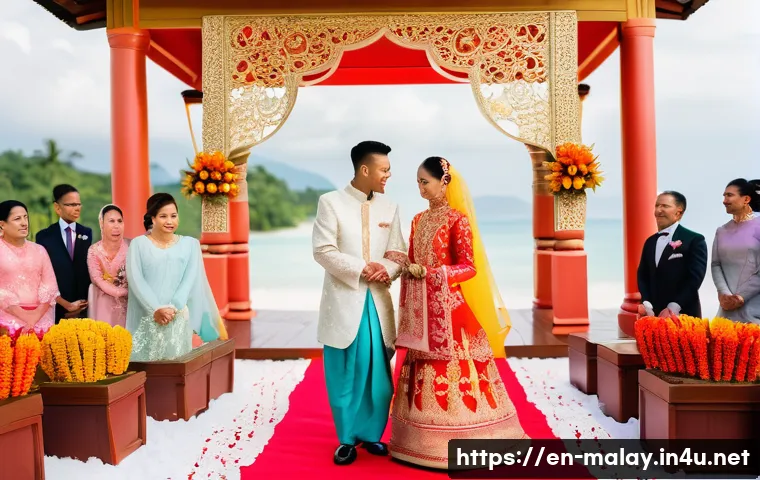
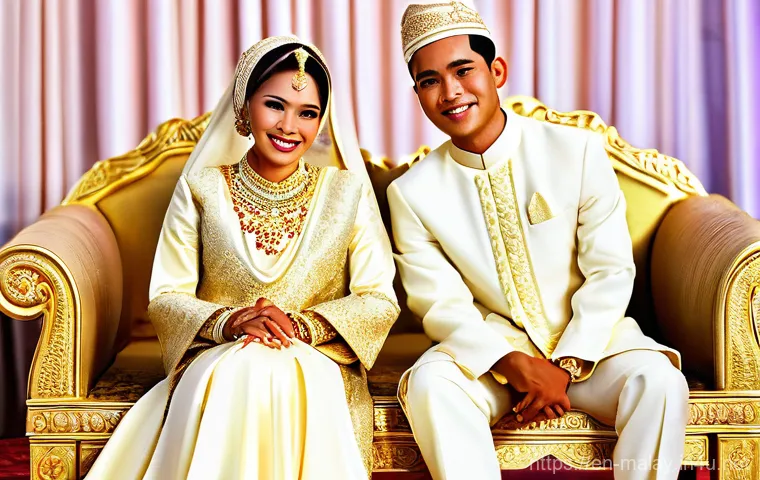
Following the “Akad Nikah,” the atmosphere shifts to pure celebration with the “Bersanding,” or “sitting-in-state” ceremony. This is where the newlyweds are truly treated like royalty! They sit side-by-side on a beautifully decorated dais, known as a “pelamin,” often adorned with opulent fabrics, intricate carvings, and fresh flowers. Guests, including myself, get to approach the couple and offer their blessings, often by sprinkling scented water, rose petals, and yellow rice grains over their hands, symbolizing wishes for happiness, fertility, and prosperity. It’s a visual feast, with the couple dressed in elaborate traditional attire, like the “baju pengantin” for the bride and “baju Melayu” for the groom, often made from luxurious fabrics like silk or “songket” with beautiful embroidery. The entire setting just exudes grandeur and joy, with traditional music and dance often filling the air. It’s a wonderful opportunity for everyone to shower the couple with good wishes and, of course, capture plenty of photos!
Chinese Weddings: A Tapestry of Tradition and Gratitude
Chinese weddings in Malaysia are an equally captivating experience, rich in symbolism and deep respect for elders. They’re usually a blend of ancient rituals passed down through generations and a sprinkle of modern adaptations. My favorite part is seeing how meticulously every detail is planned to bring good fortune and honor to both families. From the engagement rituals to the grand banquets, there’s a sense of profound appreciation and joy that permeates every moment. It’s truly a family affair, where everyone, from the oldest grandparent to the youngest cousin, plays a role in ushering in the new union. It’s a beautiful testament to the strong filial piety that is so central to Chinese culture, and honestly, it’s infectious to be a part of. The energy is always buzzing, especially during the playful “gate-crashing” games!
The Playful “Gate-Crashing” and Emotional Tea Ceremony
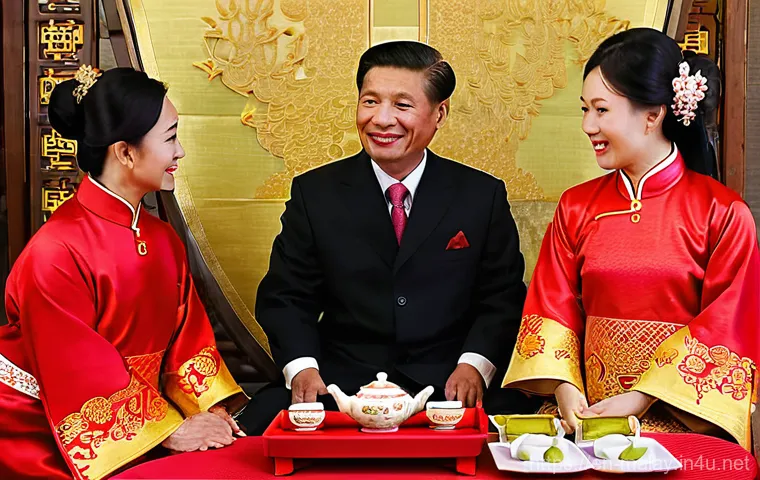
Before the groom can even see his bride, he and his groomsmen must endure the hilariously fun “gate-crashing” games, orchestrated by the bridesmaids. These challenges, ranging from silly dares to quizzes about the bride, are meant to test the groom’s determination and worthiness, and trust me, they’re always a highlight! Once he “earns” his way in, the heart of the Chinese wedding often moves to the tea ceremony. This is a profoundly moving ritual where the couple, sometimes kneeling, serves tea to their elders, starting with their parents, then grandparents, uncles, and aunts, as a gesture of respect and gratitude. In return, the elders offer blessings, advice, and often red packets (“ang pow”) containing money or gold jewelry, symbolizing good fortune and acceptance into the family. I’ve seen brides shed tears of joy and emotion during this ceremony, especially when receiving heirloom jewelry. It’s such a beautiful and intimate moment, solidifying the bonds between generations and formally welcoming the newlyweds into their extended families. The sweet tea itself often symbolizes a sweet and lasting marriage.
The Grand Banquet Extravaganza
No Chinese wedding would be complete without a spectacular wedding banquet, a lavish feast that brings together friends and family to celebrate the union. These banquets are often held in grand hotel ballrooms or elaborate restaurants, featuring multiple courses of delicious Chinese cuisine. I’ve attended banquets that felt like culinary journeys, each dish carefully chosen for its symbolic meaning – think roasted suckling pig for fertility and abundance, or fish for prosperity. The couple usually makes several outfit changes throughout the evening, greeting guests at each table. It’s a joyous occasion filled with toasts, speeches, and sometimes even karaoke (yes, you read that right, some seniors really know how to belt out a tune!). The atmosphere is always lively, with a real sense of community and shared happiness. Guests typically present monetary gifts in red envelopes (“ang pow”) to help the couple start their new life. It’s truly a celebration of good food, good company, and enduring love.
Indian Weddings: A Kaleidoscope of Color and Ritual
Malaysian Indian weddings are a sensory delight, bursting with vibrant colors, rhythmic music, and deeply spiritual rituals that can last for several days. They are incredibly intricate, each ceremony holding profound significance, often aimed at invoking blessings for prosperity, happiness, and a strong marital bond. I’ve always been captivated by the sheer energy and spiritual depth of these celebrations. From the intricate henna designs to the sacred fire rituals, every step is a prayer, a blessing, and a joyous affirmation of love. It’s not just a wedding; it’s a spiritual journey that you get to witness unfold, filled with meaningful gestures that connect the couple to their ancestors and future.
Intricate Henna and Pre-Wedding Blessings
The “Mehendi” ceremony, usually held the night before the main wedding, is a beautiful and lively pre-wedding ritual where the bride’s hands and feet are adorned with intricate henna designs. Legend has it, the darker the henna, the deeper the love between the couple! It’s a fun, festive occasion filled with music, dancing, and laughter among the bride and her female friends and relatives. Before the main event, there are often other purifying ceremonies like “Mangala Snaanam” or “Nallunge,” where the couple undergoes a ceremonial bath with turmeric, sandalwood paste, and oil to cleanse and prepare them for married life. These rituals, steeped in tradition, are believed to ward off evil spirits and invite positive energy, setting a auspicious tone for the upcoming union. It’s a wonderful way to ease into the wedding festivities, surrounded by loved ones and good wishes.
The Sacred Fire and Seven Vows
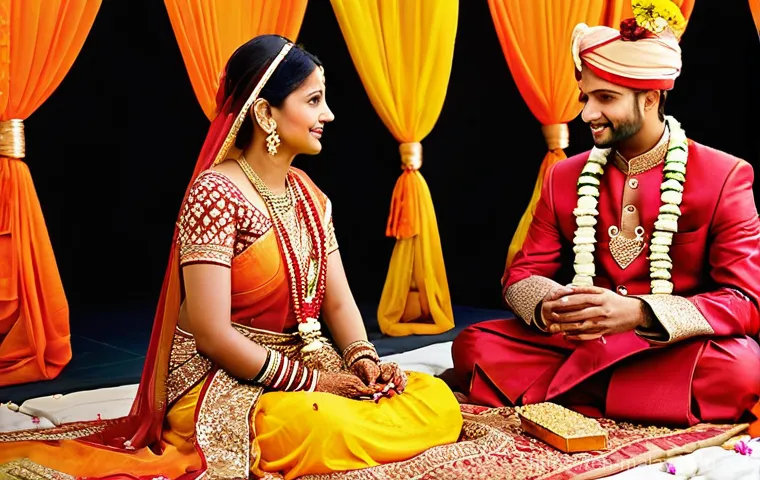
The main Indian wedding ceremony itself is a spiritual spectacle, often taking place under a beautifully decorated “mandap” (a temporary canopy). Central to many Hindu weddings is the sacred fire, “Vivaha Homa,” which symbolizes purity and acts as a divine witness to the vows. The couple performs the “Sapta Padi,” taking seven steps around the fire, each step representing a specific vow and promise to each other – vows for sustenance, strength, prosperity, happiness, progeny, longevity, and true companionship. I’ve seen the “thaali” tying ritual, where the groom ties a sacred necklace around the bride’s neck, a powerful symbol of their inseparable union and commitment. The exchange of vibrant flower garlands (“Malai Maatral”) also happens, often three times, symbolizing their acceptance of each other as husband and wife. It’s a truly mesmerizing experience to witness, filled with ancient chants, blessings from a priest, and family members showering the couple with rice and grains for prosperity. The rich symbolism in every gesture makes it an incredibly moving event.
Blending Worlds: Modern Twists in Malaysian Weddings
What I find absolutely fascinating about Malaysian weddings today is how beautifully couples are weaving modern elements into their traditional celebrations. It’s like they’re honoring their roots while also expressing their unique personalities, creating something truly special and “uniquely us.” This isn’t just about throwing out the old; it’s about evolving and adapting, making sure that these cherished traditions remain relevant and personal to each new generation. It’s exciting to see how couples are approaching their big day with a blend of reverence and creativity, often resulting in truly memorable and breathtaking events.
Personalized Touches and Unique Venues
Modern Malaysian couples are definitely breaking the mold when it comes to personalization. Instead of just following a strict script, they’re injecting their own flair into everything from the decor to the overall theme. I’ve seen Malay “pelamins” with minimalist, elegant designs using neutral tones and clean lines, a stark contrast to the traditional opulence, yet still stunning. Outdoor weddings, whether in lush gardens or with a beach-inspired vibe, are gaining immense popularity, offering a serene and romantic ambiance that’s hard to beat. Some couples are even opting for bold color palettes like emerald green or deep burgundy, moving away from traditional pastels to create a more sophisticated and modern look. And let’s talk about venues! Couples are seeking out spaces that allow for flexibility, perhaps a glass room for an intimate “Akad Nikah” or a rooftop ceremony timed perfectly with the sunset. This desire for a wedding that truly reflects their journey is palpable, and it’s creating a whole new wave of stunning and heartfelt celebrations across Malaysia.
Fusion Celebrations and Tech Integration
Another exciting trend I’ve noticed is the rise of fusion weddings, especially in a multicultural nation like Malaysia. Imagine a traditional Malay “Akad Nikah” followed by a vibrant Chinese-style banquet with a tea ceremony, or an Indian “Mehendi” leading into a modern reception with Western elements like a cake cutting and first dance. These weddings are a testament to Malaysia’s harmonious blend of cultures, creating truly distinctive and inclusive celebrations that honor both backgrounds. Technology is also playing a bigger role; think digital invitations, wedding livestreams for overseas guests, and even personalized wedding websites. It’s all about making the celebration accessible and inclusive for everyone, no matter where they are. And in terms of sustainability, more couples are choosing eco-friendly favors and locally sourced elements, showing a growing awareness for the environment. This forward-thinking approach, while still cherishing the essence of family, faith, and festivity, truly shows how dynamic Malaysian wedding traditions are becoming.
The Culinary Delights of Malaysian Weddings
You simply cannot talk about Malaysian weddings without diving into the incredible food! Seriously, the feasts are legendary, and for good reason. Food isn’t just sustenance here; it’s an expression of hospitality, love, and celebration. Each community brings its unique culinary heritage to the table, creating a spread that is truly a feast for the senses. I’ve never left a Malaysian wedding feeling anything less than completely satisfied, both in my belly and in my heart. The aroma alone is enough to make your mouth water from a mile away, and the variety is just astonishing. It’s truly a communal experience, where everyone gathers to share not just a meal, but the joy of the occasion.
Malay Wedding Feasts: Aromatic and Flavorful
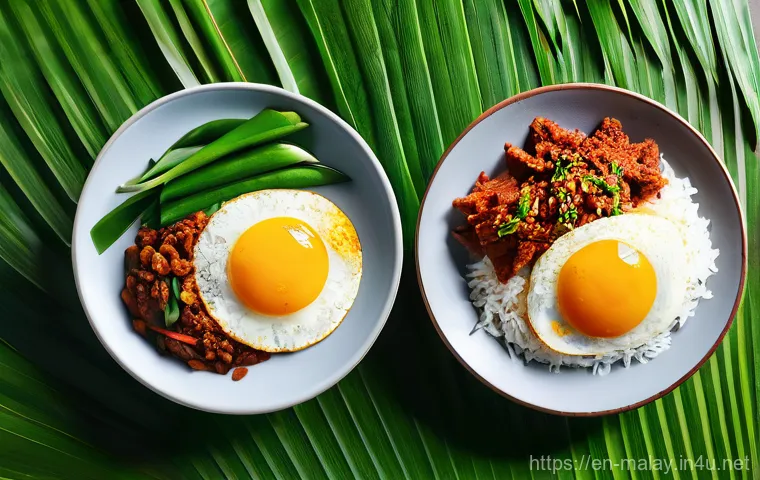
At a Malay wedding, the “kenduri kahwin” (wedding feast) is a lavish affair, often served buffet-style or in dome sets, and trust me, it’s always a highlight. The star of the show is almost always “nasi minyak,” a fragrant ghee-rice cooked with pandan leaves and spices, which just melts in your mouth and serves as the perfect base for everything else. You’ll find an array of rich and savory dishes like “ayam masak merah” (spicy tomato chicken), a crowd favorite with its vibrant red hue and delicious kick. Then there’s “rendang,” a slow-cooked spiced meat dish, often beef or chicken, so tender and aromatic you’ll want seconds (or thirds!). And don’t forget “acar” (pickled vegetables) and “kerabu” (Malay salads) to add a refreshing counterpoint. For desserts, there’s usually an assortment of “kuih-muih” (traditional cakes and pastries), like “ondeh-ondeh” or “seri muka,” which are just delightful sweet bites to finish off the meal. Honestly, the food alone is a reason to attend!
A Taste of Diverse Wedding Menus
Across Malaysia’s diverse cultures, wedding menus offer an incredible culinary journey. Chinese weddings often feature multi-course banquets with dishes like roasted meats, seafood, and longevity noodles, each symbolizing prosperity and good fortune. Indian weddings, on the other hand, are a riot of flavors with biryani rice, various curries, lentil dishes, and sweet treats, often vegetarian to cater to religious dietary requirements. It’s truly amazing how each community celebrates through its cuisine, telling a story with every dish. Here’s a little table I put together to give you a quick glimpse into the culinary highlights you might encounter:
| Culture | Signature Rice Dish | Must-Try Main Course | Typical Dessert/Snack |
|---|---|---|---|
| Malay | Nasi Minyak (Fragrant Ghee Rice) | Ayam Masak Merah (Spicy Tomato Chicken), Rendang (Slow-cooked Spiced Meat) | Kuih-Muih (Assorted Traditional Cakes), Bubur Terigu (Sweet Wheat Porridge) |
| Chinese | Steamed Fragrant Rice | Roasted Suckling Pig, Steamed Fish with Ginger and Scallions, Longevity Noodles | Red Bean Soup, Tang Yuan (Glutinous Rice Balls), Fresh Fruits |
| Indian | Biryani Rice (Fragrant Spiced Rice with Meat/Vegetables) | Various Curries (Chicken, Mutton, Vegetarian), Dhal (Lentil Soup) | Gulab Jamun (Sweet Milk Dumplings), Payasam (Rice Pudding), Halwa |
No matter which wedding you attend, you can bet your bottom dollar you’re in for an unforgettable gastronomic experience! The hospitality is boundless, and guests are always encouraged to eat their fill and savor every bite.
Dressing for the Occasion: Attire That Tells a Story
One of the most visually stunning aspects of Malaysian weddings is the attire. It’s like stepping into a fashion show where every outfit tells a story of heritage, status, and celebration. Each community boasts its own distinct traditional wear, often crafted with incredible detail and luxurious fabrics. I absolutely adore seeing the transformation of the bride and groom, and even the guests, in these magnificent garments. It’s not just about looking good; it’s about honoring cultural identity and adding to the grand spectacle of the event. Seriously, the sheer elegance and vibrant colors are something to behold!
The Elegance of Malay Bridal Wear
Malay bridal wear is simply breathtaking, steeped in grace and custom. Brides often choose either the “baju kurung” or “baju kebaya,” elegant full-length tunics or more figure-hugging dresses, often made from rich fabrics like silk or “songket,” a traditional woven material intricately threaded with gold or silver. These gowns are frequently adorned with elaborate beadwork, embroidery, and sequins, making the bride truly shine. To complete the regal look, brides might wear a “tudung” (headscarf) or “sanggul lintang” (a traditional headpiece), complemented by layers of gold jewelry. Grooms, too, are impeccably dressed in the “baju Melayu,” a long-sleeved shirt paired with loose pants and a “sampin” (a sarong-like wrap) over it, often with a “songkok” (a small cap) or “tanjak” (traditional headgear). The coordinated attire for the couple is a beautiful sight, symbolizing their unity and shared cultural heritage. What’s amazing is how modern Malay brides are now blending these classic styles with contemporary cuts and vibrant colors, truly making their look unique.
Guest Attire: Modesty and Vibrancy
As a guest at a Malay wedding, the general rule of thumb is to dress modestly. Women often opt for long dresses or long-sleeved tops paired with pants or skirts, while men typically wear shirts and pants. You’ll see a wonderful array of colors and traditional patterns, but sleeveless outfits are generally avoided or covered with a shawl. For Chinese weddings, guests might lean towards cocktail dresses or elegant evening wear, often in bright, auspicious colors, though black and white are usually avoided for the main ceremony. Indian weddings are a perfect excuse to embrace vibrant colors! Many guests wear traditional Indian attire like saris or salwar kameez, or simply bright, festive semi-formal Western wear. The key across all cultures is to dress respectfully, while still expressing your personal style and enjoying the festive atmosphere. And if you’re ever unsure, a beautifully tailored “baju kurung” or “baju Melayu” is always a safe and stylish bet in Malaysia!
Unique Customs and Sentimental Rituals
Beyond the main ceremonies, Malaysian weddings are dotted with smaller, yet incredibly meaningful customs and rituals that add layers of depth and sentiment. These are the moments that truly connect the couple to their heritage, offering blessings, guidance, and a sense of continuity. It’s often in these subtle gestures that you feel the true heart of the culture. I’ve found that these rituals, whether ancient or adapted for modern times, always bring a sense of warmth and authenticity to the celebration, making it even more memorable for everyone involved. They are a beautiful reminder that a wedding is more than just a party; it’s a sacred transition.
Blessings and Symbolic Exchanges
One of the rituals I’ve seen in Malay weddings is the “merenjis,” where family members and special guests sprinkle rose water and rice flour on the couple’s hands during the “Bersanding.” This gesture is a heartfelt blessing for happiness and prosperity, a truly touching moment. There’s also the “hantaran exchange,” where both families exchange beautifully decorated trays of gifts, like clothing, perfumes, or sweets, symbolizing the union of the two families. In some Malay traditions, there’s even a “Malam Berinai,” an intimate henna party for the bride and her close friends a few days before the wedding, where intricate henna designs are applied to her hands and feet to ward off evil spirits and bring good luck. For Chinese weddings, a significant pre-wedding ritual is the “Guo Da Li” (betrothal ceremony), where the groom’s family presents symbolic gifts to the bride’s family, including tea leaves, red dates, and jewelry, as a sign of sincerity and respect. Gifts often come in even numbers to signify “good things double.” These thoughtful exchanges truly underscore the emphasis on family unity and blessings for the newlyweds.
Post-Wedding Traditions and Community Spirit
The celebrations don’t always end after the main reception! Some Malay traditions include a “rombongan” or wedding parade, where the newlyweds and their families proceed to the wedding location with music, dance, and even sparkler explosions, sharing their joy with the entire community. This joyful procession represents the couple’s future journey together. In some unique Malay post-wedding celebrations, like the “Berinai Sungai” (river henna ceremony) in Johor, the couple sits by a river, hands and feet adorned with henna, symbolizing good luck and a fresh start, often followed by a ceremonial washing of hands and feet. Indian weddings, too, have post-ceremony rituals, like “valeyadal,” which are fun ice-breaking customs for the newly married couple. The incredible communal spirit, especially in rural settings where entire villages might pitch in to help cook for a Malay “kenduri,” truly stands out. It’s this deep sense of community, support, and shared joy that makes Malaysian weddings so incredibly special and memorable, leaving you feeling like you’ve been part of something truly grand and heartfelt. Every time I get to witness these traditions, it reminds me of the beautiful human connection at the heart of it all.
Wrapping Things Up
Well, friends, what an incredible journey we’ve taken through the breathtaking world of Malaysian weddings! From the solemn vows of an “Akad Nikah” to the joyous chaos of Chinese gate-crashing games and the vibrant rituals of an Indian “mandap,” it’s clear that these celebrations are so much more than just a wedding; they’re profound expressions of love, heritage, and community spirit. Having witnessed these beautiful traditions firsthand, I can truly say there’s a unique magic in each, leaving you with a heart full of memories and a deeper appreciation for this truly diverse nation. It’s been an absolute privilege to share my experiences and insights with you, and I hope it’s inspired you to delve deeper into these incredible cultural tapestries. The warmth and hospitality you experience at any Malaysian wedding are simply unmatched, making every moment an unforgettable one, an experience that genuinely stays with you long after the confetti settles. It’s a testament to how deeply ingrained family, faith, and festivity are in the Malaysian way of life.
Useful Information to Know
1. When attending a Malaysian wedding, remember that dress codes often vary slightly depending on the cultural background of the couple, but a general rule of thumb is to err on the side of modesty, especially for Malay and Indian weddings. For women, this typically means avoiding overly revealing outfits, opting for long dresses or skirts, or covering your shoulders. Men can usually get by with smart casuals like shirts and trousers, but a collared shirt is always a good idea. At Chinese banquets, you might find guests dressed in more formal evening wear, though bright colors are almost always encouraged, as they symbolize happiness and good fortune. Black and white are generally steered clear of, especially for the actual ceremony, as they can sometimes be associated with mourning. It’s always best to check with the couple or someone close to them if you’re unsure, but a respectful and vibrant outfit will usually hit the mark, allowing you to blend in beautifully while still expressing your personal style and enjoying the festivities. Seriously, it’s a great excuse to wear something stunning and colorful!
2. Gift-giving at Malaysian weddings, particularly for Chinese and Indian celebrations, is predominantly monetary. For Chinese weddings, guests traditionally present “ang pow” (red packets) containing cash, with the amount usually in even numbers (to signify good fortune and “things in pairs”) and avoiding the number four, which sounds like “death” in some dialects. Similarly, for Indian weddings, cash gifts are common, often given in denominations ending with “1” (e.g., RM51, RM101), which is considered auspicious. Malay weddings might also involve monetary gifts, but sometimes practical household items or gifts for the couple’s new home are also appreciated, though it’s always good to confirm. These monetary gifts are usually intended to help the couple start their new life together and cover some of the wedding expenses. It’s a practical and thoughtful way to show your support and best wishes, and you’ll often find a designated table or box for these envelopes at the reception. Trust me, the convenience of a monetary gift is often welcomed by newlyweds as they embark on their marital journey, giving them the flexibility to spend it as they see fit for their new household needs or even a honeymoon.
3. Prepare for a magnificent culinary experience! Food is a cornerstone of Malaysian hospitality, and wedding feasts are no exception. At Malay weddings, expect a buffet spread featuring fragrant “nasi minyak” and rich curries. Chinese banquets are typically multi-course affairs, often served at round tables, where you’ll encounter a delicious array of seafood, roasted meats, and symbolic dishes. Indian weddings offer a vibrant palette of flavors, with biryani, various curries, and delightful sweets, often with plentiful vegetarian options. Don’t be shy about trying everything; it’s a true gastronomic adventure! If you have any dietary restrictions or allergies, it’s always a good idea to inform the couple or their family beforehand, as many are happy to accommodate where possible. However, even if you can’t try everything, the sheer variety and quality of the food are a highlight in themselves. Seriously, I’ve left every Malaysian wedding I’ve attended feeling utterly stuffed but incredibly happy, having savored some of the most authentic and delicious cuisine the country has to offer. It’s a real bonding experience over shared meals.
4. Be open to participating in the various customs and rituals, as they are often deeply meaningful and part of the couple’s heritage. Whether it’s sprinkling rose water and rice during a Malay “Bersanding” or engaging in playful “gate-crashing” games at a Chinese wedding, embracing these traditions enhances your experience. The tea ceremony at Chinese weddings, for instance, is a beautiful display of respect for elders, and even as a guest, observing it with reverence adds to the atmosphere. At Indian weddings, you might witness intricate fire rituals or symbolic exchanges; these are moments of profound spiritual significance. While you don’t need to know every single detail, showing genuine interest and respect for the cultural practices goes a long way. Many of these traditions are interactive and invite guests to share in the blessings and joy. It’s these unique elements that make each Malaysian wedding so distinct and memorable, and truly, being an active and respectful observer allows you to connect more deeply with the celebrations. It’s an opportunity to learn and appreciate the rich tapestry of Malaysian cultures in a truly personal way.
5. Photography is a big part of any wedding, and Malaysian weddings are no different, but always be mindful and respectful. While it’s tempting to snap photos of every beautiful moment and intricate detail, especially during the more solemn ceremonies like the “Akad Nikah” or the tea ceremony, it’s always a good idea to be discreet or even ask for permission, especially if you’re taking close-up shots of people. During the “Bersanding” or banquet, you’ll find plenty of opportunities for candid shots and group photos with the couple. Most couples will also have professional photographers and videographers, so be mindful not to obstruct their work. Some families might prefer certain rituals or moments to be more private, so observing what others are doing is a good guide. Remember, the goal is to capture the joy without detracting from the sacredness or intimacy of the moment. Enjoy taking photos, but prioritize being present and respectful of the occasion, and you’ll have plenty of wonderful memories (and pictures!) to look back on. After all, you want to be part of the beautiful memory, not just a documenter of it.
Key Takeaways
Ultimately, what truly stands out about Malaysian weddings is their incredible blend of deep-rooted traditions and heartwarming community spirit, all while beautifully embracing modern twists. These aren’t just events; they are profound expressions of family unity, cultural pride, and unwavering love, showcasing the vibrant tapestry of a truly multicultural nation. From the intricate rituals that symbolize blessings and prosperity to the lavish feasts that bring everyone together in joyous celebration, every Malaysian wedding is a unique and deeply personal journey. As someone who’s been fortunate enough to experience these festivities, I can confidently say that they leave an indelible mark on your heart, fostering a sense of connection and wonder. It’s truly a testament to how Malaysians honor their past while eagerly stepping into the future, creating unforgettable memories for the happy couple and everyone who shares in their special day. The sheer scale, emotional depth, and culinary delights make these celebrations an absolute must-experience for anyone visiting or living here.
Frequently Asked Questions (FAQ) 📖
Q: What makes Malaysian weddings so incredibly diverse and unique compared to other places?
A: You know, it’s something I absolutely adore about Malaysia – the sheer kaleidoscope of cultures, and nowhere is that more evident than in their weddings!
What truly sets them apart is the beautiful coexistence of three major ethnic groups: Malay, Chinese, and Indian, each bringing their own incredibly rich, centuries-old traditions to the altar.
I’ve personally had the privilege of witnessing some of these celebrations, and it’s like stepping into a different world with each one. For instance, a Malay akad nikah is often a serene, deeply spiritual affair, sometimes held at the mosque, followed by a lively bersanding reception with a regal atmosphere.
Then you have the Indian weddings, which are just an explosion of color, sound, and festivity, often spanning several days with intricate pre-wedding rituals like mehndi and vibrant dance performances.
And let’s not forget the Chinese weddings, with their heartfelt tea ceremonies where the couple honors their elders, and sometimes multiple costume changes throughout a lavish banquet.
It’s not just that these traditions exist side-by-side; it’s how they form such a vibrant, harmonious tapestry that makes Malaysian weddings a truly unforgettable experience.
This blend of distinct cultural expressions under one national roof is what makes them so extraordinarily special and unlike anywhere else I’ve ever traveled.
Q: How do Malaysian couples manage to beautifully blend their ancient wedding traditions with modern elements in today’s world?
A: This is actually one of the most fascinating aspects I’ve noticed about Malaysian weddings! It’s not about choosing between the old and the new; it’s about artfully weaving them together.
I’ve seen it time and time again – couples are incredibly proud of their heritage and want to honor it, but they’re also living in a globalized world.
So, you might see a traditional Malay kompang band leading the procession, but the bride arrives in a classic car, or the reception venue has a contemporary, Instagram-worthy photo booth alongside the pelamin (bridal dais).
For Chinese weddings, the tea ceremony remains a sacred and non-negotiable part, but the evening banquet might feature a live band playing current hits, or the couple might opt for a sleek, Western-style wedding gown in addition to their traditional kwa.
Indian weddings, while maintaining their elaborate rituals, often incorporate modern choreography for family dances or have a chic, modern reception decor.
It’s like they’re saying, “We cherish where we come from, but we’re also embracing where we’re going.” This thoughtful fusion really creates a celebration that feels deeply personal, incredibly meaningful to the families, and at the same time, totally relevant and fun for everyone involved.
It’s a wonderful dance between legacy and contemporary flair, and it’s done with such grace.
Q: If I were lucky enough to attend a Malaysian wedding, what unique aspects or feelings should I really look out for and appreciate?
A: Oh, if you ever get that amazing opportunity, prepare for a sensory feast and a heartwarming experience! From my own encounters, there are a few things that truly stand out.
Firstly, the incredible hospitality! Malaysians are genuinely warm and welcoming, and you’ll feel like an honored guest, often even becoming part of the extended family for the day.
Embrace the food – it’s usually an absolute highlight, often a lavish spread representing the culture’s best cuisine. Don’t be shy; try everything! Secondly, really soak in the visual splendor.
The traditional attire, especially the intricate embroidery and vibrant colors of the Malay baju kurung or kebaya, the dazzling saris and lenghas at an Indian wedding, or the elegant cheongsams and kwas for Chinese ceremonies are just breathtaking.
The decor, too, is often meticulously planned and incredibly beautiful. But beyond the aesthetics, what I always find most moving is the profound sense of community and family.
These weddings aren’t just about the couple; they’re about two families uniting, and the entire community coming together to celebrate and support them.
You’ll see generations interacting, elders bestowing blessings, and friends laughing heartily. It’s an overwhelming feeling of love, joy, and collective happiness that just wraps around you.
So, my tip? Go with an open heart, an empty stomach, and be ready to feel incredibly cherished and amazed by the sheer beauty of human connection and tradition.