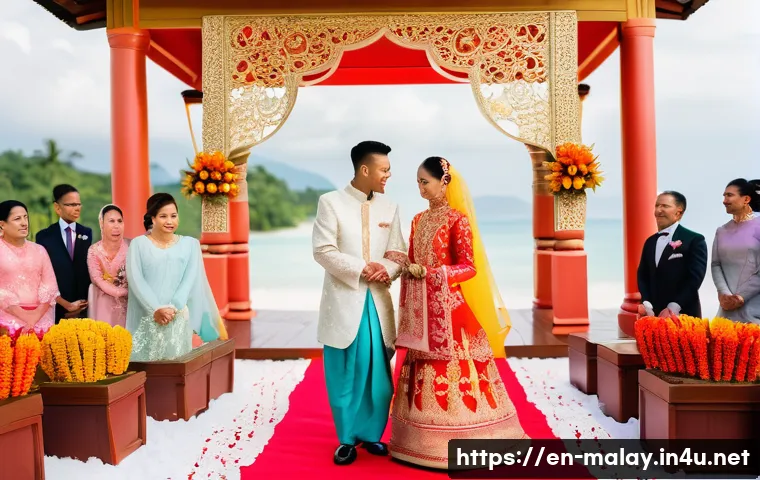
International marriages involving Malaysians offer a fascinating glimpse into how love transcends cultural boundaries. These unions often blend diverse traditions, languages, and religious practices, creating unique challenges and beautiful celebrations.
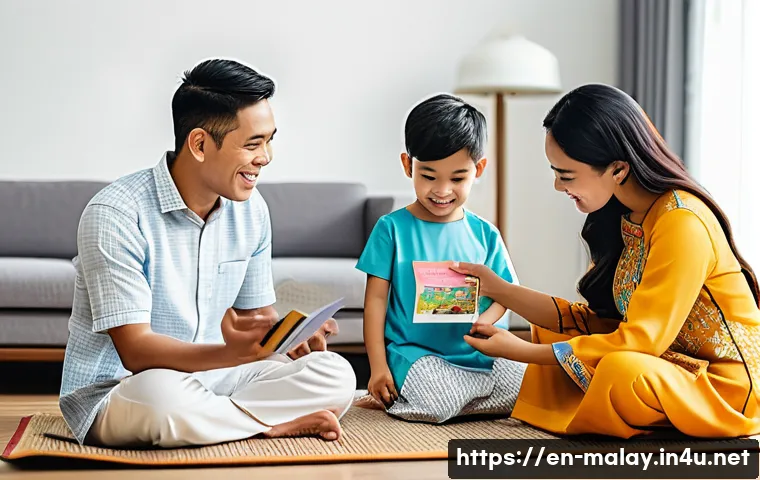
Navigating cultural differences requires open communication and a deep respect for each other’s backgrounds. From varying family expectations to different wedding customs, every step reveals something new.
If you’re curious about how these couples make it work and what cultural nuances play a role, let’s dive deeper and explore the details together!
Blending Traditions: How Couples Create Their Own Cultural Harmony
Finding Common Ground in Rituals
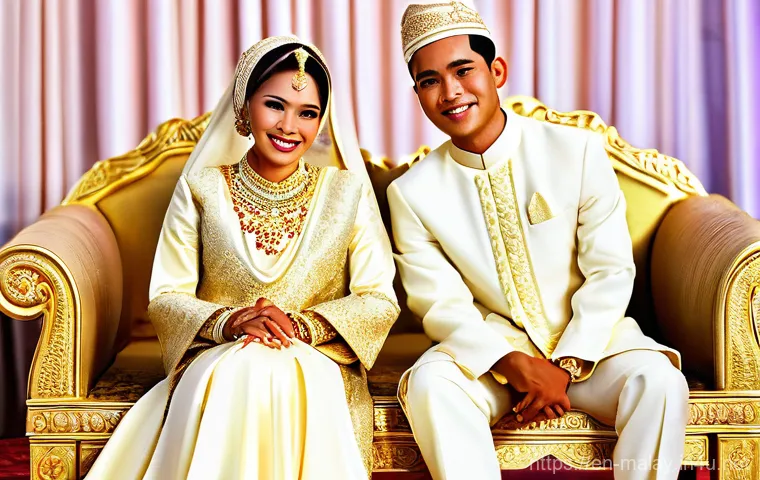
When two people from different cultural backgrounds come together, their wedding rituals often reflect a fascinating fusion. For instance, a Malaysian partner might bring vibrant traditional ceremonies like the bersanding, while the foreign spouse may introduce elements from their own culture, such as exchanging vows in a church or symbolic handfasting.
What I’ve noticed from talking to couples is that they don’t try to force one tradition over the other. Instead, they pick meaningful elements from both sides and weave them into a new, shared experience.
This approach not only honors their respective heritages but also creates a unique celebration that friends and family remember for years.
Language: More Than Just Words
Language can be both a bridge and a barrier. Many international couples find themselves mixing languages in daily life, from casual chats to planning their wedding.
It’s common to hear a blend of Malay, English, and the foreign spouse’s native tongue. What struck me personally was how these couples develop their own “family language,” using phrases and expressions that carry special meaning only to them.
This process deepens their bond and helps navigate misunderstandings before they escalate. It also reflects a beautiful respect for each other’s backgrounds, showing that communication goes beyond grammar—it’s about connection.
Respecting Family Expectations
Family plays a huge role in Malaysian culture, and international marriages often bring a layer of complexity to this dynamic. Malaysian families might expect traditional ceremonies or certain roles to be fulfilled, while the foreign spouse’s family may have entirely different customs or less emphasis on ritual.
From what I’ve gathered, successful couples approach this with openness and patience. They involve both families in conversations early on, explaining what certain traditions mean and finding ways to adapt without losing the essence.
This mutual respect helps ease tensions and builds a foundation of trust, showing that honoring family doesn’t mean sacrificing personal happiness.
Religious Differences and Finding Spiritual Balance
Negotiating Faith in Daily Life
Religion can be a sensitive topic in international marriages involving Malaysians, especially when partners come from different faiths. I’ve spoken with couples who shared how they handle this delicate balance—some choose to practice both religions, while others decide to focus on one faith but remain respectful of the other.
It’s common for couples to have heartfelt discussions about raising children, attending religious events, and personal beliefs. What stands out is their commitment to empathy and understanding, often learning about each other’s faith traditions to avoid misunderstandings and to foster harmony.
Celebrating Religious Festivals Together
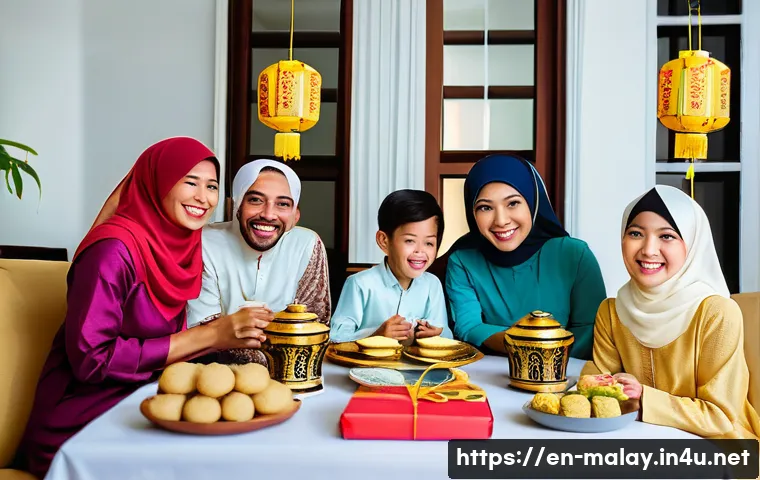
One of the most heartwarming experiences I’ve observed is how couples embrace each other’s religious festivals. For example, a Malaysian partner might celebrate Hari Raya with vibrant family gatherings and open houses, while the foreign spouse participates enthusiastically, sometimes even learning traditional prayers or songs.
Conversely, the Malaysian partner might join in Christmas or Diwali celebrations hosted by the spouse’s family. These shared experiences deepen their connection and enrich their cultural awareness, turning religious diversity into a source of joy rather than conflict.
Challenges and Solutions in Religious Practices
Navigating religious differences isn’t always smooth sailing. Couples often encounter challenges such as dietary restrictions, prayer times, or differing views on life milestones like baptism or funerals.
The couples I’ve talked to emphasize the importance of clear communication and compromise. Sometimes this means setting boundaries that respect both partners’ beliefs, other times it involves creating new rituals together.
The key takeaway is that flexibility and respect become the glue that holds their relationship together despite religious complexities.
Customs and Etiquette: Navigating Social Expectations
Wedding Invitations and Guest Lists
Planning an international wedding involving Malaysian traditions often means juggling different expectations around guest lists and invitations. Malaysian weddings typically involve large gatherings, sometimes hundreds of guests, reflecting the importance of community and family ties.
On the other hand, foreign partners may come from cultures where weddings are more intimate affairs. The couples I know usually find a middle ground by prioritizing close family and friends while still inviting key community members.
This balance helps avoid hurt feelings and keeps the celebration meaningful for everyone involved.
Gift-Giving Traditions
Gift-giving customs vary widely, and this can be a source of confusion. In Malaysia, it’s common to give duit raya or ang pow (red envelopes with money) during celebrations, including weddings.
Meanwhile, some foreign cultures may prefer physical gifts or charitable donations. I’ve seen couples creatively merge these practices by providing guests with the option to give money or gifts, sometimes even setting up charity donations as an alternative.
This flexibility respects both traditions and simplifies the process, making guests feel comfortable and appreciated.
Dress Codes and Symbolism
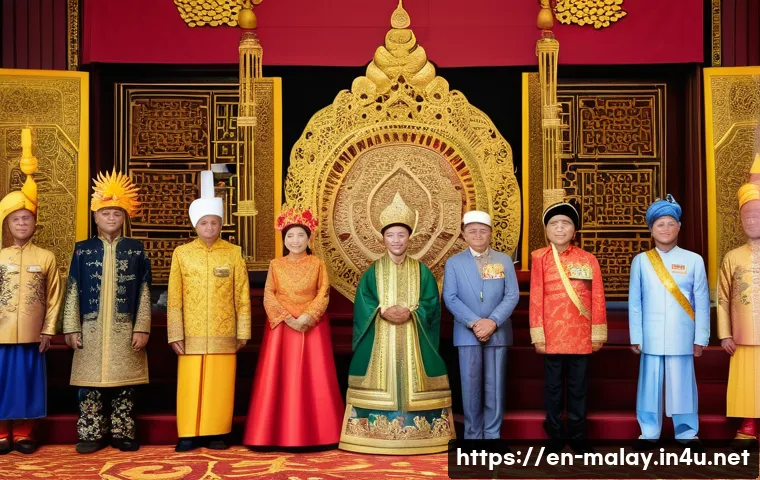
One of the most visually striking aspects of multicultural weddings is the blend of traditional attire. Malaysian weddings often feature brightly colored baju kurung or baju melayu, while the foreign spouse might wear a classic white gown or suit.
Couples often decide to wear traditional outfits for specific ceremonies and western-style clothes for others. What fascinates me is how these choices carry deep symbolism—not just about aesthetics but about identity, respect, and inclusion.
Wearing each other’s traditional clothes during parts of the celebration sends a powerful message of unity and acceptance.
Legal and Logistical Realities of International Marriages
Marriage Registration and Documentation
The legal side of international marriages can be quite complex, especially when one partner is Malaysian and the other is from abroad. Registration requirements differ depending on the countries involved, and paperwork can be overwhelming.
From personal experience helping friends through this process, I know that understanding the necessary documents, such as passports, birth certificates, and affidavits of single status, is crucial.
Couples often need to navigate embassy protocols and local laws, which can take months. Patience and organization are key here, as missing documents or deadlines can delay the entire process.
Visa and Residency Challenges
After the marriage, couples face the important task of sorting out visas and residency permits. Malaysian immigration rules vary based on the spouse’s nationality, and sometimes the process requires proving the legitimacy of the marriage through interviews or documentation.
I’ve heard from several couples that this period can be stressful, as it impacts their ability to live and work together smoothly. Proactive planning, seeking legal advice, and staying informed about policy changes help ease these challenges and ensure that the couple can focus on building their life together.
Financial Planning and Currency Considerations
Money matters can become complicated in international marriages. Couples often deal with multiple currencies, bank accounts, and financial regulations.
From my conversations, I learned that setting up joint accounts or agreeing on financial responsibilities early on helps prevent misunderstandings. Additionally, understanding currency exchange rates and transfer fees is important, especially when sending money between countries or managing wedding expenses.
Open financial communication builds trust and helps both partners feel secure in their shared future.
Communication Styles and Conflict Resolution
Recognizing Cultural Communication Patterns
Communication styles differ greatly across cultures, and this can sometimes lead to misunderstandings in international relationships. Malaysians often communicate indirectly to maintain harmony and avoid confrontation, while some foreign partners might prefer more direct and explicit conversations.
I’ve observed that couples who recognize these differences and adjust accordingly tend to navigate conflicts more effectively. For example, a Malaysian partner might express disagreement through subtle cues, which the foreign spouse learns to pick up on over time, leading to smoother interactions.
Using Technology to Stay Connected
For couples separated by distance or managing different time zones, technology plays a crucial role. Video calls, messaging apps, and social media platforms help maintain emotional closeness and facilitate ongoing communication.
I remember a couple sharing how they use shared calendars and reminders to coordinate family events and cultural celebrations, which has greatly reduced friction.
Technology not only bridges physical gaps but also helps couples stay aligned on plans and expectations, supporting their relationship’s growth.
Developing Conflict Resolution Strategies
Disagreements are inevitable, but international couples often develop unique ways to resolve them by blending their cultural approaches. Some adopt Malaysian practices like “bermaaf-maafan,” which involves forgiveness and reconciliation, while also embracing foreign methods such as couples therapy or open dialogue sessions.
I found it inspiring how these couples create their own conflict resolution toolkit, combining patience, empathy, and humor. This tailored approach fosters resilience and deepens mutual understanding, proving that love can overcome cultural barriers.
Raising Children in a Multicultural Environment
Deciding on Language Education
Raising children in a bilingual or multilingual household is one of the rewarding yet challenging aspects of international marriages. Many couples strive to teach their kids both parents’ languages, believing this enriches their identity and cognitive skills.
From what I’ve seen, parents often establish language rules, like speaking one language at home and another outside, or dedicating certain days to each language.
This intentional approach helps children grow up feeling connected to both cultures and confident in their communication abilities.
Instilling Cultural Values
Beyond language, parents focus on passing down cultural values and traditions. Whether it’s celebrating Malaysian festivals like Chinese New Year or Eid, or observing foreign holidays, children learn to appreciate diversity from an early age.
I heard from parents who involve their kids in cooking traditional meals, storytelling, and visiting relatives abroad, fostering a strong sense of belonging.
This balanced upbringing equips children with a global perspective and pride in their heritage.
Handling Identity Questions
As children grow, they often face questions about their mixed cultural identity. Some may feel torn between different cultural expectations or struggle with belonging.
Parents I know encourage open conversations about identity and provide supportive environments where children can explore all aspects of their heritage.
This ongoing dialogue helps kids develop a healthy self-image and navigate social situations confidently, turning their multicultural background into a source of strength.
| Aspect | Malaysian Tradition | Foreign Culture Variation | Common Compromise |
|---|---|---|---|
| Wedding Ceremony | Bersanding, vibrant multi-day events | Single-day, formal church or civil ceremonies | Multi-day events with selective traditional rituals |
| Language Use | Malay, English commonly mixed | Native language of foreign spouse | Mix of languages with family-specific phrases |
| Religious Practices | Islam, Buddhism, Hinduism, Christianity | Varies widely | Respectful observance of both faiths, joint celebrations |
| Family Involvement | Large, extended family gatherings | Often smaller, nuclear family focus | Balanced guest lists, inclusive family events |
| Gift-Giving | Ang pow (money envelopes) | Physical gifts or donations | Flexible options for guests |
| Legal Process | Local marriage registration, religious approval | Varied documentation and embassy involvement | Early legal advice, thorough paperwork preparation |
| Child Rearing | Emphasis on cultural festivals, multilingual upbringing | Depends on foreign culture | Intentional language and cultural education |
Concluding Thoughts
Blending traditions in international marriages creates a beautiful tapestry of culture, love, and respect. Couples who embrace both their heritages foster deeper connections and build lasting memories. Navigating challenges with patience and open communication strengthens their bond and sets a meaningful example for families and communities alike.
Useful Information to Keep in Mind
1. When planning multicultural weddings, prioritize meaningful traditions from both cultures to create a unique and inclusive celebration.
2. Developing a shared family language or communication style can help bridge cultural and linguistic differences effectively.
3. Early and open conversations with both families ease expectations and foster mutual respect in honoring traditions.
4. Understanding legal requirements and visa processes ahead of time prevents delays and reduces stress after marriage.
5. Intentional cultural and language education for children nurtures a strong, confident identity in a multicultural environment.
Key Takeaways for Successful Multicultural Marriages
Successful international marriages thrive on mutual respect, clear communication, and flexibility. Couples benefit from blending cultural rituals thoughtfully while balancing family expectations. Addressing religious differences with empathy and celebrating each other’s festivals enhances harmony. Planning legal and financial matters proactively ensures smooth transitions. Above all, embracing diversity as a shared strength creates a foundation for lasting love and understanding.
Frequently Asked Questions (FAQ) 📖
Q: What are the biggest challenges faced by Malaysian couples in international marriages?
A: One of the biggest challenges is navigating cultural differences, especially when it comes to family expectations and religious practices. For example, Malaysians often come from strong family-oriented cultures where elders’ opinions hold significant weight, which can sometimes clash with their partner’s more individualistic background.
Communication becomes essential to bridge these gaps. I’ve noticed that couples who openly discuss their values and traditions early on tend to handle these differences more smoothly.
Q: How do international couples involving Malaysians celebrate their weddings while respecting both cultures?
A: Many couples blend traditions to create a unique celebration that honors both cultures. For instance, you might see a wedding ceremony that includes a traditional Malay blessing alongside Western-style vows or a tea ceremony.
It’s common for couples to incorporate attire, music, and rituals from both sides, which not only makes the event memorable but also shows mutual respect.
From what I’ve seen, these multicultural weddings often become a beautiful symbol of unity and compromise.
Q: How can couples maintain harmony when their families have different cultural expectations?
A: Maintaining harmony often requires patience, empathy, and clear communication. When families have contrasting expectations, it helps if the couple sets boundaries and presents a united front.
I’ve personally observed that involving family members in conversations and explaining the importance of each culture’s customs can reduce misunderstandings.
Ultimately, showing respect for both sides while prioritizing the couple’s shared goals creates a strong foundation for long-term happiness.