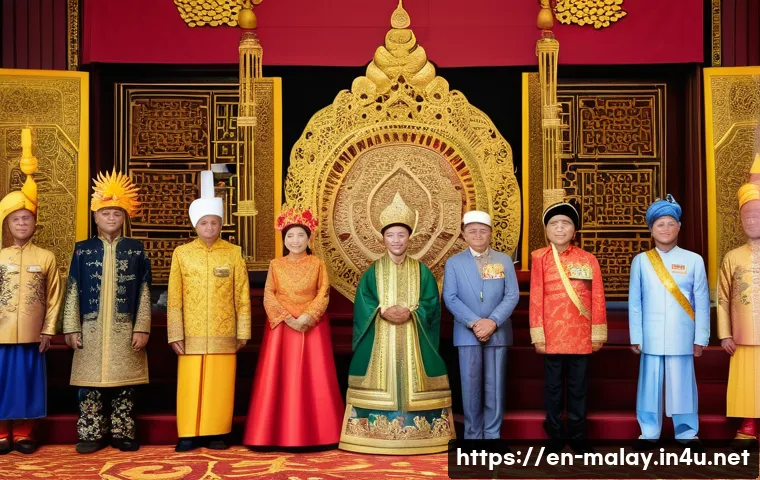
Understanding Malaysia’s political system offers a fascinating glimpse into a unique blend of monarchy and democracy. It’s a complex yet intriguing framework where constitutional monarchy coexists with parliamentary governance.
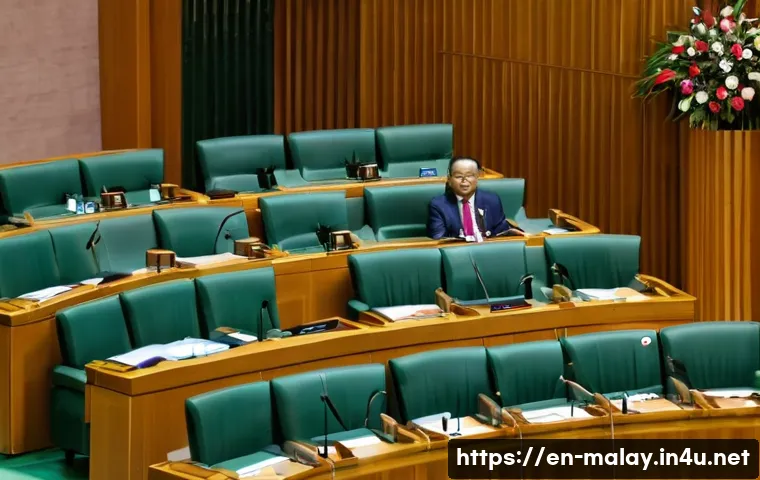
This structure shapes the country’s policies and plays a crucial role in its diverse society. Whether you’re curious about the roles of the king, prime minister, or parliament, grasping these basics is essential.
Let’s dive deeper and explore the intricate workings behind Malaysia’s political landscape for a clearer picture!
The Role of the Monarchy in Malaysia’s Governance
The Constitutional Monarchy Explained
Malaysia’s monarchy is quite unlike the absolute monarchies you might be familiar with. The Yang di-Pertuan Agong, often referred to as the King, serves as the constitutional monarch.
His role is largely ceremonial, yet deeply symbolic, representing unity among Malaysia’s diverse ethnic and cultural groups. Unlike hereditary monarchies where power passes from parent to child, the Malaysian King is elected every five years by and from the nine hereditary state rulers.
This unique system adds an extra layer of complexity and balance within the political framework. The King’s powers are defined and limited by the Federal Constitution, ensuring that he acts within the scope of law, mostly in a consultative and supervisory role rather than wielding direct political power.
Balancing Tradition and Modern Governance
The monarchy preserves Malaysia’s rich cultural heritage while functioning within a modern democratic system. The King has the responsibility to appoint the Prime Minister, but this is typically the leader of the majority party in Parliament.
This blend of tradition and democracy means the monarchy is a stabilizing force rather than a source of political conflict. For example, during political crises, the King can play a decisive role in resolving impasses by using discretionary powers, although this is rarely invoked.
This delicate balance ensures that the monarchy remains respected without overshadowing elected officials or democratic processes.
The Monarchy’s Influence on National Identity
Beyond constitutional duties, the King serves as a unifying figurehead for Malaysia’s multi-ethnic society. Malaysia’s population includes Malays, Chinese, Indians, and indigenous peoples, each with distinct traditions and religions.
The monarchy symbolizes a shared national identity that transcends these differences. Through ceremonial events, religious observances, and patronage of cultural initiatives, the King fosters a sense of belonging and continuity.
This soft power aspect of the monarchy is crucial in a country where social harmony is a political priority, helping to maintain peace and cooperation among diverse communities.
Malaysia’s Parliamentary System and Its Functions
Structure of Parliament
Malaysia’s Parliament is bicameral, consisting of the Dewan Rakyat (House of Representatives) and the Dewan Negara (Senate). The Dewan Rakyat is the more powerful chamber where members are directly elected by the people every five years.
The Dewan Negara, on the other hand, functions as a revising chamber with members appointed by the King or state legislative assemblies. This two-tier system is designed to balance popular representation with experienced oversight, although the Dewan Rakyat usually takes precedence in legislative matters.
The Parliament is responsible for creating laws, debating national policies, and holding the executive branch accountable.
The Prime Minister and Cabinet’s Role
The Prime Minister is the head of government and holds the most executive power in Malaysia’s political system. Usually, the leader of the party or coalition with the majority in the Dewan Rakyat becomes Prime Minister.
The Prime Minister then selects the Cabinet from among the elected members of Parliament, which collectively administers the country’s day-to-day affairs.
This includes everything from economic policy and education to foreign affairs and infrastructure development. The Prime Minister’s leadership style and priorities can significantly influence Malaysia’s domestic and international standing, making this role pivotal.
Legislative Processes and Checks and Balances
Bills can be introduced by the Cabinet or individual members of Parliament, but they must pass through several readings and committees before becoming law.
The Dewan Rakyat debates these bills extensively, sometimes leading to amendments or rejections. Once approved, the Dewan Negara reviews the legislation, though it cannot permanently block a bill.
The King’s assent is the final step, usually a formality, but it underscores the constitutional monarchy’s role in the legislative process. Parliamentary debates are often lively and reflect Malaysia’s pluralistic society, with representatives voicing the concerns of their diverse constituencies.
Federalism and State Powers in Malaysia
The Distribution of Power Between Federal and State Governments
Malaysia operates a federal system where power is shared between the central government and 13 states. Each state has its own legislative assembly and executive council, which handles local matters such as land management, local infrastructure, and Islamic affairs in Muslim-majority states.
The federal government retains authority over national issues like defense, education, and foreign policy. This division of powers can sometimes lead to tensions, especially when states governed by opposition parties challenge federal policies.
However, it also allows for regional diversity and autonomy, reflecting Malaysia’s complex social fabric.
Unique Status of Certain States
Among the states, Sabah and Sarawak have special autonomous rights stemming from the Malaysia Agreement of 1963. These include greater control over immigration, natural resources, and legal matters.
This arrangement was intended to respect their distinct cultural and historical contexts and to balance power within the federation. The unique status of these states continues to influence political dynamics today, often becoming focal points in debates about federalism, resource distribution, and indigenous rights.
Intergovernmental Cooperation and Conflict
While federalism encourages cooperation between levels of government, conflicts do arise, particularly over resource allocation and policy implementation.
The federal government sometimes uses financial incentives or legal mechanisms to influence state decisions, which can cause friction. Conversely, states may resist federal directives to protect local interests.
These interactions shape Malaysia’s political landscape, requiring negotiation and compromise. Understanding this interplay is essential for grasping how policies are formed and executed across the country.
Political Parties and Electoral Dynamics
The Multiparty System in Malaysia
Malaysia’s political arena features multiple parties that often form coalitions to contest elections. The Barisan Nasional coalition dominated politics for decades, but recent elections have seen more competitive landscapes with opposition coalitions gaining ground.
Political parties in Malaysia often reflect ethnic and regional interests, which influences their platforms and voter bases. This multiparty system fosters vibrant political debates but also complicates governance, as coalitions must navigate internal differences to maintain stability.
Electoral Process and Voting Behavior
General elections are held every five years, where citizens vote for representatives in the Dewan Rakyat. Voting is compulsory for registered citizens over 18, and turnout tends to be high.
However, electoral boundaries and practices have sometimes been criticized for favoring certain parties, a phenomenon known as gerrymandering. Voter behavior is influenced by issues such as economic development, ethnic relations, and governance performance.
Campaigns often focus on grassroots engagement and coalition-building, reflecting Malaysia’s diverse electorate.
The Impact of Political Reforms
In recent years, political reforms aimed at increasing transparency and fairness have gained momentum. These include efforts to improve electoral integrity, reduce corruption, and enhance media freedom.
While progress has been uneven, such reforms have energized civil society and encouraged greater public participation in politics. The ongoing evolution of Malaysia’s political parties and electoral system continues to shape the country’s democratic trajectory.
Malaysia’s Judiciary and Rule of Law
The Structure of the Judiciary
Malaysia’s judiciary is an independent branch designed to uphold the rule of law and constitutional principles. It comprises the Federal Court, Court of Appeal, and High Courts, along with subordinate courts.
Judges are appointed by the King on the advice of the Prime Minister and Judicial Appointments Commission, ensuring a balance between executive input and judicial independence.
The judiciary handles a wide range of cases, from civil disputes to constitutional challenges, playing a crucial role in maintaining legal order.
Judicial Review and Constitutional Safeguards
One of the judiciary’s key powers is judicial review, which allows courts to assess the constitutionality of laws and executive actions. This function is vital for protecting individual rights and preventing abuses of power.
For example, courts have struck down laws that violate fundamental liberties or exceed governmental authority. However, the judiciary’s independence has faced challenges, particularly during politically sensitive cases, sparking debates about the separation of powers and legal reform.
Access to Justice and Legal Challenges
While Malaysia has a relatively well-developed legal system, access to justice remains an issue, especially for marginalized groups. Legal costs, procedural complexity, and geographic disparities can hinder fair treatment.
Efforts by NGOs and government initiatives to improve legal aid and awareness have been important steps forward. Understanding these challenges sheds light on how Malaysia balances the ideals of justice with practical realities.
Key Institutions Shaping Policy and Governance
The Role of the Election Commission
The Election Commission oversees the conduct of elections, ensuring they are free and fair. It manages voter registration, boundary delimitation, and election logistics.
Despite its crucial mandate, the Commission has faced criticism over impartiality and transparency, prompting calls for reform. The effectiveness of this institution directly impacts public confidence in Malaysia’s democratic processes.
The Public Service and Bureaucracy
Malaysia’s civil service is a major pillar of governance, tasked with implementing policies and managing public programs. It is generally professional and merit-based but can be influenced by political considerations.
The bureaucracy’s efficiency and integrity are critical for policy success and service delivery, affecting everything from economic development to social welfare.
The Media’s Influence on Politics
Media in Malaysia plays a significant role in shaping public opinion and political discourse. While there is a mix of government-controlled and independent outlets, media freedom has fluctuated with political tides.
Social media has emerged as a powerful platform for political engagement, especially among younger Malaysians. The media landscape reflects and affects the country’s democratic vibrancy and challenges.
Summary Table of Key Political Entities and Their Functions
| Entity | Primary Role | Selection Method | Key Powers | Term Length |
|---|---|---|---|---|
| Yang di-Pertuan Agong (King) | Constitutional Monarch | Election by State Rulers | Ceremonial duties, appoint PM, dissolve Parliament | 5 years |
| Prime Minister | Head of Government | Leader of Majority Party in Parliament | Executive leadership, Cabinet appointments | 5 years (subject to confidence) |
| Dewan Rakyat (House of Representatives) | Legislative Chamber | Directly elected by citizens | Passing laws, controlling budget | 5 years |
| Dewan Negara (Senate) | Legislative Revising Chamber | Appointed by King and State Assemblies | Reviewing legislation | 3 years (renewable) |
| State Governments | Local Governance | State elections | Manage local affairs, Islamic matters | Varies |
| Judiciary | Interpret and enforce law | Appointed by King on PM advice | Judicial review, trials | Until retirement age |
Conclusion
Malaysia’s governance system uniquely blends tradition with modern democracy, where the constitutional monarchy plays a symbolic yet stabilizing role. The balance between federal and state powers, along with a vibrant parliamentary system, ensures diverse voices are represented. Together with an independent judiciary and evolving political landscape, Malaysia continues to build a resilient and inclusive political framework.
Useful Information to Know
1. The Malaysian King is elected every five years by the nine hereditary state rulers, making it a rotational monarchy rather than hereditary.
2. Malaysia’s Parliament consists of two chambers: the directly elected Dewan Rakyat and the appointed Dewan Negara, which reviews legislation.
3. Federalism in Malaysia allows states significant autonomy, especially Sabah and Sarawak, which have special rights under the Malaysia Agreement.
4. Political parties often form coalitions reflecting ethnic and regional interests, making coalition-building essential for governance.
5. The judiciary holds the power of judicial review to ensure laws comply with the constitution, safeguarding citizens’ rights.
Key Takeaways
The Malaysian political system is a careful blend of symbolic monarchy and democratic governance, designed to respect cultural diversity while maintaining political stability. Federal and state governments share responsibilities, with special provisions for certain states to preserve regional identity. Parliamentary processes encourage debate and accountability, supported by an independent judiciary that upholds the rule of law. Understanding these elements is crucial to grasp how Malaysia navigates its complex social and political landscape.
Frequently Asked Questions (FAQ) 📖
Q: What is the role of the King in Malaysia’s political system?
A: The King, known as the Yang di-Pertuan Agong, serves as the constitutional monarch and symbolic head of state. While his powers are mostly ceremonial, he plays a key role in appointing the Prime Minister and can influence parliamentary matters during political crises.
His position rotates every five years among the nine Malay state rulers, which adds a unique dynamic to Malaysia’s monarchy.
Q: How does Malaysia’s parliamentary system work alongside the monarchy?
A: Malaysia operates a parliamentary democracy where the Prime Minister and the Cabinet hold executive power, accountable to the elected Parliament. The monarchy coexists with this system by acting within constitutional limits, ensuring laws passed by Parliament align with the constitution.
Essentially, the King’s role is to safeguard the constitutional framework while elected officials manage daily governance.
Q: Why is understanding Malaysia’s political system important for its diverse society?
A: Malaysia’s political system directly impacts its multicultural population by balancing power among various ethnic groups through policies and representation.
Knowing how the monarchy and parliament interact helps explain how decisions affecting education, economic development, and social harmony are made. This insight is crucial for grasping how Malaysia maintains stability amid its rich cultural diversity.