Malaysia – the name alone conjures images of vibrant cities, pristine islands, and ancient rainforests, doesn’t it? From my own exciting journeys across this incredible country, I can tell you that it’s largely safe and incredibly welcoming.
However, just like any popular destination, staying savvy about safe routes and common pitfalls is absolutely key to making the most of your adventure.
We’ve all heard stories, or maybe even experienced firsthand, how a small mishap can really put a damper on things – like those pesky petty thefts in crowded areas or the occasional tricky taxi situation.
But don’t let that dim your travel spirit one bit! I’ve spent countless hours navigating its bustling streets and serene landscapes, always with an eye on how to travel smarter and safer.
It’s truly about knowing the local rhythm and arming yourself with the right info before you go. The good news is, with a little insider knowledge, you can bypass those minor worries and immerse yourself fully in Malaysia’s rich culture and breathtaking beauty.
That’s exactly why I’m so thrilled to share some tried-and-true tips and highlight routes that not only promise incredible experiences but also peace of mind.
Ready to embark on an unforgettable and truly secure Malaysian escapade? Let’s dive into all the essential details and uncover the safest travel routes for your next adventure.
Mastering Your Urban Adventures: Navigating Malaysia’s Bustling Cities
Kuala Lumpur, Penang, Johor Bahru – these names conjure up images of vibrant street life, incredible food, and architectural marvels. My first time in KL, I was absolutely mesmerized by the Petronas Towers at night, but also a tiny bit overwhelmed by the sheer buzz of Bukit Bintang! The key to truly enjoying these urban playgrounds, I’ve found, is to approach them with a blend of adventurous spirit and sensible caution. It’s like a dance, really; you want to immerse yourself in the rhythm without missing a step or, worse, tripping over one of those unexpected potholes. I always make it a point to map out my destinations beforehand, especially when venturing out after dark, even if it’s just a short walk from my hotel to a supper club. There’s a certain confidence that comes with knowing your route, and it makes all the difference in how you experience a city. Remember, the vast majority of people you’ll encounter are friendly and helpful, but a little vigilance never hurts. From my experience, a friendly smile and a polite ‘terima kasih’ go a long way, especially when asking for directions or local recommendations. It’s all about blending in and showing respect for the local way of life. I’ve personally found that engaging with local vendors at street markets not only leads to amazing food finds but also provides a fantastic opportunity to observe daily life and pick up on subtle safety cues. Just keep an eye on your belongings, especially in crowded areas like Petaling Street or Batu Caves, where opportunistic petty theft can unfortunately occur. It’s not common, but being aware means you can prevent it.
Exploring on Foot: Smart Walking Practices
Walking around Malaysia’s cities is one of the best ways to soak in the atmosphere, whether you’re admiring the street art in George Town or exploring the historic lanes of Melaka. But just like any big city, it pays to be smart about your strolls. I always recommend wearing comfortable shoes – you’ll be doing a lot more walking than you think! Beyond comfort, it’s about awareness. I learned this the hard way once in KL when I was so engrossed in my phone’s GPS that I almost walked into traffic. Oops! Always be mindful of your surroundings, especially when crossing roads. Pedestrian crossings aren’t always strictly observed, so a quick look left and right (and sometimes even behind you!) is essential. Stick to well-lit and populated areas, particularly at night. If you’re ever feeling uneasy about a particular street or alley, trust your gut feeling and opt for an alternative route or even a Grab ride. There’s no shame in prioritizing your comfort and safety over a slightly longer walk. Sometimes, the most memorable walks are those where you feel completely at ease and can truly appreciate the beauty around you without any underlying worries.
Staying Street-Smart with Your Valuables
Let’s talk about your precious belongings. It’s a common story: you’re having the time of your life, completely immersed in the moment, and then suddenly realize your wallet or phone is gone. I’ve heard countless tales from fellow travelers, and while Malaysia is generally safe, petty theft can happen. My personal rule of thumb is to only carry what I absolutely need for the day. Leave your passport, extra cash, and other non-essentials locked away in your hotel safe. When I’m out and about, I prefer a cross-body bag that I can keep in front of me, or a money belt under my clothes, especially in bustling markets or on public transport. Avoid flashing expensive jewelry or electronics unnecessarily. If you’re taking photos with your phone, try to do so discreetly and quickly put it away. It’s not about paranoia; it’s about being proactive. I’ve found that being aware of who’s around me, especially in crowded areas, helps a lot. And for goodness sake, never leave your bag unattended, even for a second, while grabbing a coffee! A moment of distraction is all it takes for an opportunist. These small habits become second nature after a while and genuinely enhance your peace of mind while exploring.
Island Escapes and Coastal Charm: Safe Seaside Adventures
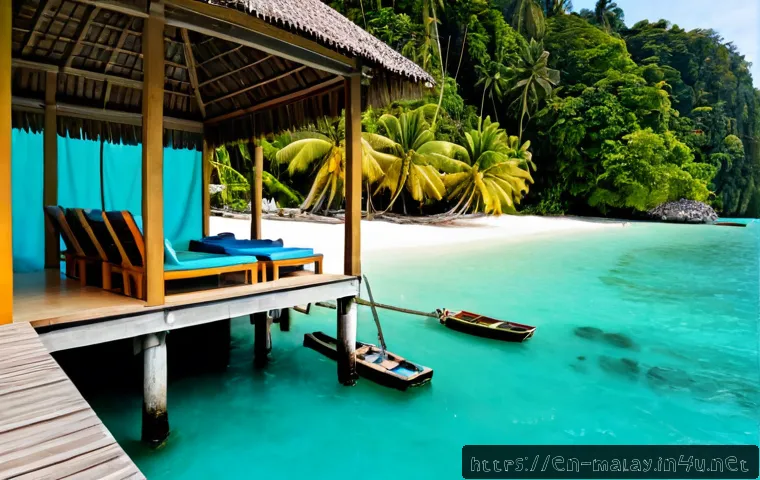
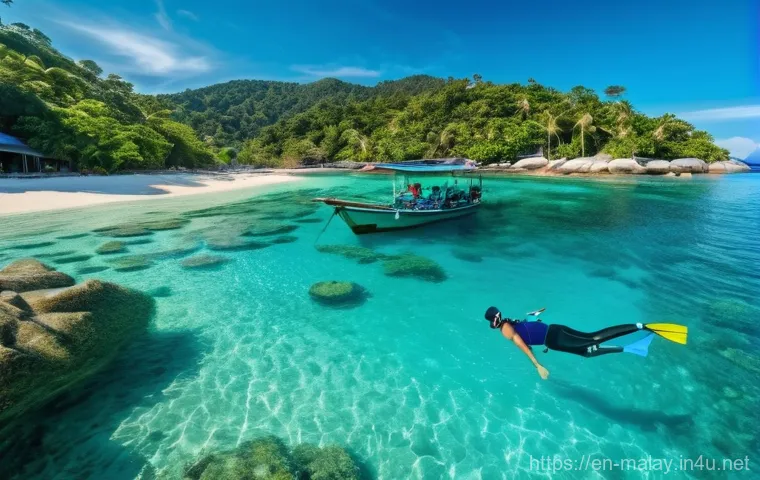
Malaysia’s islands are pure magic – think turquoise waters, white sandy beaches, and lush rainforests meeting the sea. Langkawi, Penang, Tioman, Perhentian Islands… each offers its own slice of paradise. I still vividly remember the sheer joy of snorkeling off the coast of Redang, surrounded by schools of colorful fish. It’s an incredible feeling, but even in paradise, it’s wise to keep a few safety tips in mind. The biggest draw of these islands is often the water activities, and while they’re generally well-regulated, personal responsibility is key. Always book tours and activities through reputable operators – check reviews, ask your hotel for recommendations, and don’t be afraid to ask questions about safety equipment and procedures. I once saw a sketchy-looking jet ski rental on a less-traveled beach and immediately knew to steer clear; it just didn’t feel right. Beyond the water, getting around the islands usually involves taxis, rented scooters, or sometimes even boats. If you’re considering renting a scooter, ensure you have the proper license and experience, and always wear a helmet. The roads can be winding and sometimes unpaved, so caution is paramount. Remember, a little preparation goes a long way in ensuring your island hopping is filled with joy, not unforeseen incidents.
Responsible Water Activities: Making a Splash Safely
The allure of Malaysia’s marine life is undeniable, and activities like snorkeling, diving, and kayaking are highlights for many. I absolutely adore exploring underwater, but I always make sure I’m doing it with a reputable outfit. Before hopping on a boat for an island tour or diving excursion, take a moment to observe the equipment. Are the life vests in good condition? Does the boat look well-maintained? Are the guides providing clear safety briefings? Don’t be shy about asking if they have emergency protocols in place. It’s your right to feel safe! Also, be mindful of your swimming abilities and don’t venture into waters that seem too strong for you. Currents can be unpredictable, especially in certain seasons. If you’re new to an activity like diving, ensure you’re with certified instructors and not cutting corners on lessons. Sun protection is another huge one – nothing ruins a day faster than a nasty sunburn, and that Malaysian sun can be intense! Reapply sunscreen frequently, wear a hat, and stay hydrated. Enjoying the beautiful waters responsibly means you’ll have fantastic memories to take home, not painful regrets.
Getting Around Island Style: Scooters and Taxis
Many Malaysian islands offer a more laid-back pace for getting around, with scooters being a popular choice for independent exploration. I’ve rented scooters on a few occasions, and while it offers incredible freedom, it’s not for the faint of heart or the inexperienced. Road conditions can be vastly different from what you’re used to – think potholes, loose gravel, and sometimes livestock! If you do decide to rent one, make sure your travel insurance covers it, always wear a helmet (it’s legally required and smart!), and do a quick check of the brakes and tires before you set off. My personal advice? If you’re not comfortable riding a scooter at home, don’t start in Malaysia. For most travelers, taxis or ride-sharing apps like Grab (where available) are a much safer and less stressful option. Always agree on a fare beforehand if there’s no meter, or confirm the Grab fare. On smaller islands, you might find local “taxi” services that are essentially individuals with private cars; always confirm the price before you depart. Being clear about your destination and the cost avoids any misunderstandings later on, ensuring your island adventures remain smooth sailing.
Savoring Malaysian Flavors Safely: A Culinary Journey
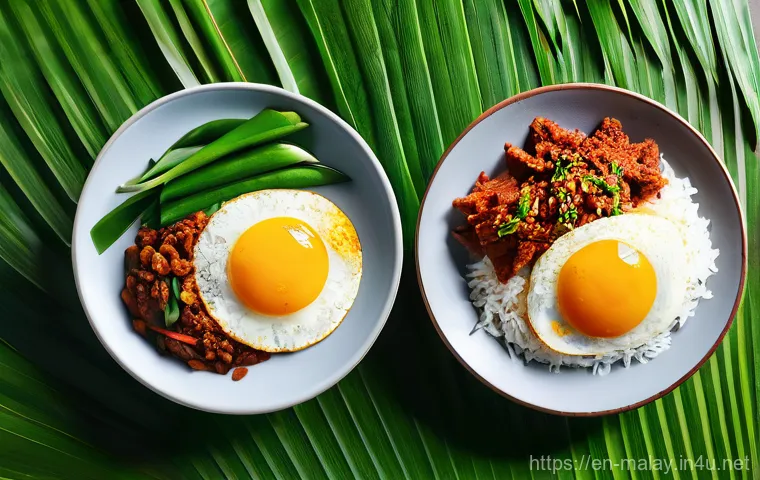
Ah, Malaysian food! It’s one of the biggest reasons I keep coming back. From the fiery curries to the aromatic street eats, it’s a feast for the senses. My first taste of Nasi Lemak from a street vendor in Kuala Lumpur was a revelation – an explosion of flavors I still dream about. But as with any street food paradise, it’s wise to navigate your culinary adventures with a discerning eye. The vast majority of food stalls and restaurants are perfectly safe and hygienic, but being a little savvy can help you avoid any unfortunate tummy troubles that could derail your trip. I always make it a point to observe where the locals are eating – that’s usually a pretty reliable indicator of good, fresh food. Look for stalls with a high turnover of customers; it means the food isn’t sitting around for long. Freshly cooked dishes, especially those stir-fried or deep-fried right in front of you, are generally a safe bet. Don’t be afraid to ask for things to be cooked “fresh” or without certain ingredients if you have allergies or dietary restrictions; most vendors are incredibly accommodating. And of course, practice good hand hygiene – carry a small hand sanitizer with you, especially before digging into those delicious treats. The last thing you want on an amazing trip is to be laid low by a dodgy meal. Enjoying the food is a huge part of the Malaysian experience, so do it confidently and safely!
Street Food Smarts: Enjoying Hawker Delights
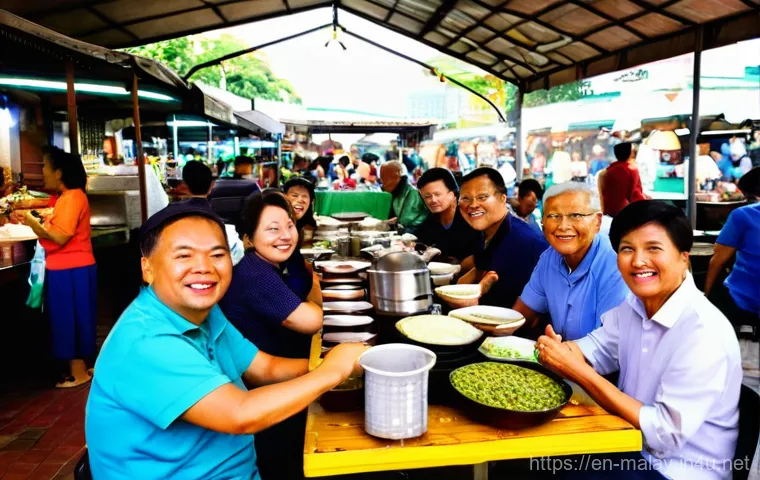
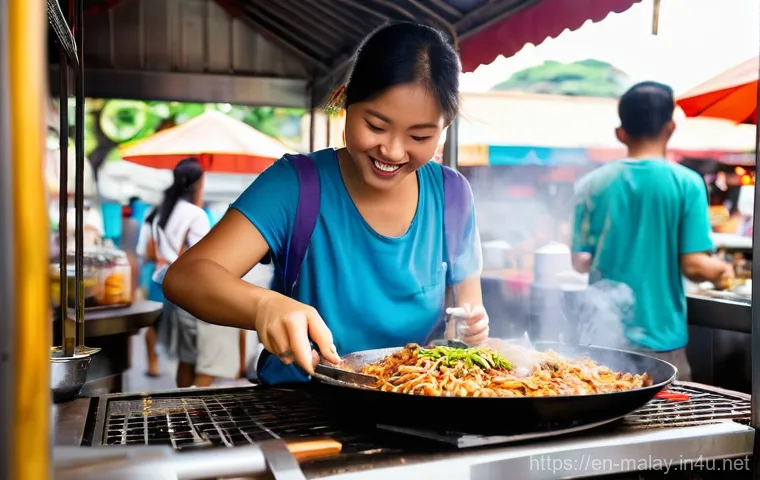
Malaysia’s hawker centers and street food stalls are iconic, offering an incredible array of dishes at unbelievably affordable prices. It’s an essential part of the cultural experience. I remember one evening in Penang, I spent hours just wandering through a hawker center, sampling everything from Char Kuey Teow to Rojak. Pure bliss! When choosing a stall, I always look for a few things: cleanliness of the stall itself, whether the cooking surfaces look well-maintained, and if the ingredients appear fresh. If you see a lot of local families enjoying their meal there, it’s usually a good sign. Also, watch for how food is stored. Are raw meats kept separate from cooked dishes? Is there ice for drinks made from potable water? These small observations can make a big difference. For drinks, I generally stick to bottled water or freshly prepared fruit juices without added ice, just to be extra cautious. While most places use filtered ice, it’s a personal preference that has saved me from potential issues. Don’t be afraid to try new things, but listen to your body and your instincts. If something smells or looks off, it’s always better to err on the side of caution and move on to the next delicious option. There are so many amazing choices, you’ll never go hungry!
Dining Out: Restaurant Etiquette and Safety
Beyond the bustling street stalls, Malaysia offers a fantastic range of restaurants, from casual eateries to fine dining. When you’re sitting down for a meal, the same principles of fresh food apply. Most restaurants adhere to good hygiene standards, but it’s always worth a quick look around. If you notice flies or general uncleanliness, it might be a sign to choose somewhere else. Tipping isn’t usually expected in Malaysia, but a service charge is often added to your bill, typically around 10%. If you’re paying with a credit card, always keep an eye on your card and the machine; it’s good practice wherever you travel. Be mindful of your belongings, especially your bag, and avoid hanging it over the back of your chair where it could be easily snatched. I always keep my bag on my lap or between my feet, with the strap looped around my chair leg. It’s a small habit, but it provides peace of mind. Another thing to consider is drinking alcohol. While it’s widely available, especially in tourist areas, it can be more expensive than you’re used to due to taxes. Drink responsibly, as overindulgence can make you a target for opportunistic individuals. Enjoy the vibrant restaurant scene, but always with an awareness of your surroundings and your personal well-being.
Staying Connected and Protected: Modern Travel Essentials
In today’s world, being connected while traveling isn’t just about sharing your amazing photos; it’s a vital safety tool. From navigating new cities with GPS to quickly calling for help, your phone is your lifeline. I always make sure I have a local SIM card or an international roaming plan that works seamlessly in Malaysia. It’s incredible how much easier it makes everything, from booking a Grab to looking up reviews for that tempting food stall. My personal trick is to download offline maps of the areas I’ll be visiting – this way, even if I lose signal, I’m never truly lost. Keeping your devices charged is equally crucial; a portable power bank is an absolute must-have in my travel kit. Beyond tech, personal safety extends to being aware of common pitfalls. I’ve seen tourists fall for overly friendly strangers offering “too good to be true” deals or seemingly helpful advice that leads to a scam. Trust your instincts. If something feels off, it probably is. Being polite but firm in declining unwanted advances or offers is perfectly acceptable. Remember, your safety and peace of mind are paramount, and sometimes that means politely saying “no” and walking away. It’s all part of being a seasoned traveler.
Essential Apps for a Smoother Journey
When I travel, my smartphone is practically my co-pilot. In Malaysia, a few apps have been absolute game-changers for me. First and foremost, Grab is king for transportation. It’s reliable, transparent with pricing, and far safer than hailing a random taxi, especially if you’re concerned about being overcharged. I’ve used it countless times in KL, Penang, and even smaller cities, and it’s always been a lifesaver. Google Maps (with offline capabilities, as I mentioned!) is another non-negotiable. I also recommend a translation app, even if you know a few Malay phrases; it can bridge communication gaps instantly. For banking, having your bank’s app is useful for monitoring transactions, and a travel-friendly currency converter app can prevent any math mistakes when dealing with Malaysian Ringgit (MYR). Before you leave, I’d suggest downloading these and getting familiar with them. Having these tools at your fingertips allows you to navigate unfamiliar situations with confidence and reduces stress, making your journey much more enjoyable. Think of them as your personal travel assistants, always there to help you out of a jam or point you in the right direction.
Financial Security: Protecting Your Ringgit and Cards
Managing your money safely while traveling is a skill developed over time. In Malaysia, I typically use a combination of cash and credit/debit cards. It’s always a good idea to have some local currency (Malaysian Ringgit, MYR) for smaller purchases at street stalls, local markets, or for places that might not accept cards. I usually withdraw cash from ATMs located inside banks or major shopping malls, as these are generally more secure. Be cautious of standalone ATMs in isolated areas. When using your card, whether for payments or withdrawals, always cover the keypad when entering your PIN. My habit is to also inform my bank of my travel dates beforehand so they don’t flag my transactions as suspicious. And always, always keep an eye on your bank statements for any unusual activity. I’ve heard too many stories of card skimming, so a little vigilance goes a long way. Consider carrying a backup credit card and keeping it separate from your main wallet, just in case. And please, avoid carrying large sums of cash with you. Splitting your money between different pockets or a money belt can also be a smart move, ensuring that if one portion is lost or stolen, you’re not left completely stranded.
Beyond the Beaten Path: Jungle and Highland Treks
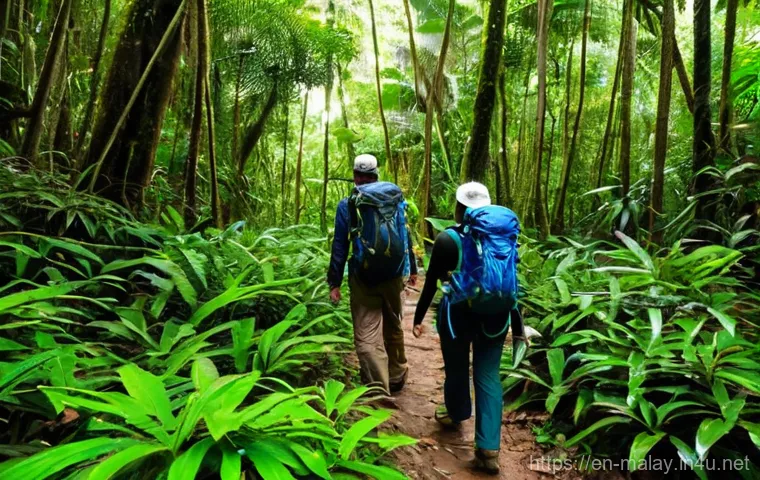
Malaysia isn’t just about vibrant cities and pristine beaches; it’s also home to some of the oldest rainforests in the world and stunning highland retreats like Cameron Highlands. The thought of trekking through Taman Negara, spotting exotic wildlife, or breathing in the cool air of a tea plantation always fills me with excitement. But venturing into these natural wonders requires a different kind of preparation and respect for the environment. My advice? Never, ever go into these areas alone or without a proper guide, especially if you’re not an experienced hiker. The jungle can be deceptively beautiful, and it’s easy to get lost or encounter unexpected challenges. I remember feeling a bit out of my depth on a self-guided trail once and quickly realized the value of local expertise. Always hire a licensed guide who knows the terrain, the local flora and fauna, and, crucially, emergency procedures. They can also share fascinating insights into the ecosystem, enriching your experience immensely. Proper gear is also non-negotiable: sturdy hiking shoes, insect repellent (a strong one!), a first-aid kit, plenty of water, and appropriate clothing are essential. Remember, you’re a visitor in their home, and respecting nature’s power and fragility is paramount. Don’t touch anything you’re not sure about, and always stick to marked trails with your guide.
Guided Expeditions: Harnessing Local Expertise
When it comes to exploring Malaysia’s incredible natural landscapes, a good guide isn’t just a luxury; they’re an absolute necessity. I’ve had some of my most profound travel experiences thanks to knowledgeable local guides who not only ensured my safety but also opened my eyes to things I would have completely missed on my own. Whether it’s trekking through the dense rainforests of Borneo, exploring the caves of Mulu, or even a shorter hike in a national park, a reputable guide will provide invaluable expertise. They understand the weather patterns, the wildlife (both the fascinating and the potentially dangerous), and the most secure routes. Always book your guides through established tour operators or your accommodation, and don’t be tempted by unlicensed individuals offering cheap tours – your safety simply isn’t worth the risk. A good guide will also ensure you’re adequately prepared, advising you on what to bring and what to expect. They’re also trained in first aid and can navigate tricky situations, which offers immense peace of mind. Investing in a professional guide isn’t just about safety; it’s about enriching your adventure and gaining a deeper appreciation for Malaysia’s breathtaking natural heritage.
Wildlife Encounters and Environmental Awareness
One of the biggest draws of Malaysia’s jungles and highlands is the chance to encounter incredible wildlife, from orangutans in Borneo to various bird species and even elephants in some national parks. These encounters are truly magical, but they must be approached with respect and caution. Always maintain a safe distance from any wildlife you encounter, and never attempt to feed or provoke animals. Remember, they are wild creatures in their natural habitat, and their behavior can be unpredictable. My guide once pointed out a venomous snake camouflaged perfectly near our path; without his keen eye, I might have stepped right over it! It’s also crucial to be environmentally responsible. Stick to designated paths, don’t litter (pack out everything you pack in, including food scraps), and avoid making loud noises that could disturb the animals. The delicate ecosystems of Malaysia’s rainforests are incredibly precious, and we as visitors have a responsibility to protect them. Supporting eco-tourism initiatives and choosing operators who prioritize conservation also contributes to the long-term well-being of these stunning environments. Enjoy the wonders of nature, but do so with a light footprint and a mindful approach.
Transportation Tales: Getting Around Like a Pro
Navigating transportation in a new country can sometimes feel like a puzzle, but in Malaysia, it’s surprisingly straightforward once you get the hang of it. I’ve relied on everything from ride-sharing apps to long-distance buses and local ferries, and each has its own quirks and charms. For urban areas, especially Kuala Lumpur, the LRT (Light Rail Transit), MRT (Mass Rapid Transit), and Monorail are incredibly efficient and affordable ways to get around, helping you avoid traffic jams. I remember being so grateful for the air-conditioned trains during a particularly humid day in KL! However, for door-to-door convenience, Grab (Malaysia’s dominant ride-sharing app) is a lifesaver. It’s safe, trackable, and you know the fare upfront. Taxis are also readily available, but my advice is to always insist on using the meter or agree on a fixed price before you start your journey to avoid any unpleasant surprises. I’ve learned this lesson the hard way in many countries! For intercity travel, Malaysia has an excellent network of air-conditioned long-distance buses that are both comfortable and cost-effective. Booking in advance, especially during peak season or public holidays, is always a smart move. Remember, a little research into your transport options before you travel can save you a lot of time and potential headaches, making your journey much smoother and more enjoyable.
Riding the Rails and Roads: Public Transport Wisdom
When I first arrived in Kuala Lumpur, the sheer scale of the public transport system was a bit daunting, but it quickly became my go-to for getting around. The KTM Komuter, LRT, MRT, and Monorail connect most major areas, and using a Touch ‘n Go card makes payment super easy – just tap and go! I always recommend checking Google Maps or specific transport apps for the best routes and timings. During peak hours, these can get quite crowded, so keep a closer eye on your belongings, just like you would in any busy urban setting. For longer distances, Malaysia’s bus network is fantastic. Companies like Aeroline and Transnasional offer comfortable, air-conditioned journeys between cities. I’ve taken overnight buses from KL to Penang and found them to be perfectly safe and efficient. Always book your tickets from official counters at bus terminals or through reputable online platforms to avoid inflated prices or fake tickets. The journey often offers a glimpse into the country’s beautiful landscapes, making the travel itself part of the adventure. Just remember to pack a sweater for those sometimes-chilly bus rides!
Hiring Vehicles and Riding Share: Trusting Your Ride
For ultimate flexibility, some travelers opt to rent a car, especially for exploring areas like the East Coast or the highlands at their own pace. If you’re considering this, ensure you have an international driving permit and are comfortable driving on the left side of the road. Road conditions vary, and traffic, especially in major cities, can be intense. Always take out comprehensive insurance and inspect the vehicle for any existing damage before you drive off. But honestly, for most travelers, Grab is the way to go. It offers the convenience of a private car without the hassle of navigating, parking, or dealing with local traffic laws. I love that you can track your driver, share your journey details with friends, and pay through the app, which eliminates currency exchange woes and arguments over fares. For taxis, while less preferred, they are widely available. My golden rule for taxis: always ensure the driver uses the meter, or negotiate a clear, upfront price before you get in. If a driver refuses the meter, politely decline and find another taxi. This small act can save you from potential overcharging and ensures a fairer experience. Safety and clarity should always be your top priorities when choosing your mode of transport.
Understanding Local Etiquette: Cultural Respect for a Smooth Trip
Traveling is not just about seeing new places; it’s about experiencing new cultures, and Malaysia offers a beautiful tapestry of Malay, Chinese, Indian, and indigenous influences. I’ve found that showing respect for local customs goes a long way in ensuring a smooth and genuinely enriching trip. It’s like being invited into someone’s home; you want to be a good guest, right? Malaysians are incredibly warm and hospitable people, and a little effort on your part to understand their way of life will be met with smiles and open arms. For instance, when visiting religious sites like mosques or temples, modest dress is essential – cover your shoulders and knees. Many mosques will provide robes for visitors, which I always appreciate. Removing your shoes before entering someone’s home or a place of worship is also a common practice. When eating, especially in more traditional settings, it’s polite to use your right hand (the left is generally considered unclean). These might seem like small details, but they demonstrate a genuine effort to connect and respect the local culture, which in turn enhances your travel experience immensely. It also helps in avoiding any unintentional cultural missteps that might lead to awkward situations or misunderstandings.
Dress Codes and Demeanor: Respecting Local Norms
One of the most visible ways to show respect in Malaysia is through your attire, especially outside of highly touristy beach areas. While you’ll see a variety of dress styles in cosmopolitan cities like KL, it’s always a good idea to lean towards modesty, particularly when visiting more traditional towns, villages, or religious sites. For women, this generally means covering shoulders and knees. I always pack a lightweight scarf or sarong that I can easily throw over my shoulders or wrap around my waist if I’m heading to a mosque or temple. For men, shorts that go below the knee and a collared shirt are usually appropriate. Beyond clothing, a calm and respectful demeanor is appreciated. Public displays of affection are generally frowned upon, and loud arguments or boisterous behavior can be seen as impolite. When interacting with locals, a polite greeting and a soft tone of voice are always welcome. I’ve found that just observing how locals interact with each other and trying to subtly mimic that behavior can be a great way to blend in and show you’re making an effort to understand and respect their way of life. It creates a much more positive and welcoming environment for everyone.
Navigating Social Interactions: Tips for Cultural Harmony
Interacting with Malaysians is one of the highlights of visiting this country. They are generally very friendly and curious, and I’ve had many wonderful conversations with locals who were eager to share insights about their culture. When meeting someone new, a gentle handshake is customary, often followed by a hand placed over the heart, especially for men. It’s a gesture of respect. Addressing people with appropriate titles, like ‘Pak Cik’ (uncle) or ‘Mak Cik’ (auntie) for older individuals, or simply ‘Encik’ (Mr.) and ‘Puan’ (Mrs.), shows courtesy. When engaging in conversation, avoid sensitive topics like politics or religion unless initiated by a local. If you’re invited to someone’s home, it’s customary to bring a small gift, like fruits or pastries. Always remove your shoes before entering. If you’re offered food or drink, it’s polite to accept, even if just a small amount. And remember, pointing with your index finger is considered rude; instead, use your thumb with your fingers curled. These small gestures of cultural awareness can transform your interactions from mere transactions into genuine, memorable connections, truly enriching your journey through Malaysia. It makes you feel less like a tourist and more like an honored guest.
| Common Safety Scenario | What to Watch Out For | My Proactive Tip |
|---|---|---|
| Petty Theft in Crowded Areas | Pickpockets in markets (e.g., Petaling Street), public transport, and tourist spots. | Use a cross-body bag worn in front, or a money belt. Keep phone and wallet out of back pockets. |
| Taxi Scams | Drivers refusing to use the meter, overcharging, or taking longer routes. | Always use Grab for transparent pricing. If hailing a taxi, insist on the meter or agree on a fare upfront. |
| “Friendly” Strangers/Scams | Someone approaching you with an overly friendly demeanor, offering unsolicited help, or inviting you to places. | Be polite but firm in declining. Trust your gut; if it feels too good to be true, it probably is. |
| ATM/Card Skimming | Tampered ATMs or card readers at shops. | Use ATMs inside banks or major malls. Always cover the keypad when entering your PIN. Monitor bank statements. |
| Road Safety (Scooters) | Potholes, heavy traffic, driving on the left, lack of helmets. | Only rent if experienced and licensed. Always wear a helmet. Consider Grab instead for safety and convenience. |
| Food Hygiene | Stalls with low turnover, unclean appearance, or unhygienic food handling. | Eat where locals eat. Choose stalls with high customer turnover. Carry hand sanitizer. Stick to bottled water. |
글을 마치며
Whew, we’ve covered a lot, haven’t we? From navigating the vibrant streets of Kuala Lumpur to soaking up the sun on Langkawi’s beaches, and even venturing into the ancient rainforests, Malaysia truly offers an adventure for every soul. What I’ve really tried to emphasize here, based on my own countless journeys, is that with a little bit of preparation and a healthy dose of awareness, you can truly unlock the magic of this incredible country. It’s about blending that adventurous spirit with smart, proactive choices. Go out there, explore, taste, and immerse yourself, knowing you’ve got the tools to do it safely and confidently. Every trip here has left me with unforgettable memories, and I genuinely hope these insights help you create your own!
알아두면 쓸모 있는 정보
1. Emergency Contacts & Local Assistance: Before you even land, jot down essential emergency numbers. We’re talking local police (999), ambulance services, and the contact details for your country’s embassy or consulate in Malaysia. I always save these in my phone and even keep a physical note in my wallet. Knowing who to call in a pinch, even if you never need to, provides immense peace of mind. It’s like having a safety net you hope you never use, but it’s there. This small step can make a world of difference if an unforeseen situation arises, and believe me, it’s better to be over-prepared than caught off guard. I’ve personally seen how quickly a minor incident can escalate if you don’t have the right information at hand, so prioritize this!
2. Travel Insurance is Your Best Friend: I cannot stress this enough – never travel without comprehensive travel insurance. Seriously. While Malaysia is generally safe, unexpected accidents, illnesses, or even lost luggage can happen. I had a friend who had a minor scooter accident in Penang (despite my warnings about wearing a helmet!), and their insurance covered everything from the medical bills to their flight changes. It’s not just for big emergencies; it can cover anything from a sprained ankle to a cancelled flight. Think of it as investing in peace of mind. Without it, even a small hiccup can turn into a huge financial burden, completely overshadowing your trip. It’s one of those things you pay for and hope you never need, but when you do, you’ll be eternally grateful.
3. Basic Malay Phrases for Connection & Safety: Learning a few simple Malay phrases goes a surprisingly long way. “Terima kasih” (thank you), “Selamat pagi/tengahari/petang/malam” (good morning/afternoon/evening/night), “Tolong” (help), and “Berapa harga?” (how much?) are fantastic starting points. Malaysians genuinely appreciate the effort, and it often smooths over interactions, making locals more likely to help you out. I’ve found that even a simple “Apa khabar?” (how are you?) can open doors to warmer conversations. In a tricky situation, being able to say “Tolong!” could be vital. It shows respect for their culture and can turn what might be a transactional encounter into a genuine human connection, making your travel experience much richer and, yes, safer.
4. Hydration & Sun Protection are Non-Negotiable: The Malaysian sun can be intense, and humidity levels are often high. Dehydration and sunstroke are real risks, especially if you’re out exploring all day. Always carry a reusable water bottle and refill it frequently. Bottled water is widely available and generally safe. My personal rule is to drink more water than I think I need. Apply high-SPF sunscreen regularly, wear a wide-brimmed hat, and consider sunglasses. I learned this the hard way on a particularly sunny day in Langkawi where I neglected sunscreen for “just a bit,” ending up with a painful sunburn that put a damper on the next couple of days. Don’t let a preventable issue spoil your adventure!
5. Beware of Opportunistic Wildlife (Especially Mosquitoes): While large, dangerous animals are mostly confined to national parks with guides, smaller critters can still pose a nuisance or health risk. Mosquitoes, in particular, are prevalent and can carry diseases like dengue fever. Always use a good insect repellent, especially during dawn and dusk. If you’re venturing into jungles or rural areas, consider wearing long sleeves and pants. I always pack a small bottle of repellent – it’s a lightweight addition to my bag that has saved me countless itchy bites. Also, be mindful of stray dogs and cats; while many are harmless, it’s best to observe from a distance and avoid direct contact. Being aware of these smaller details helps ensure your trip remains healthy and enjoyable.
중요 사항 정리
So, let’s bring it all together. To truly enjoy Malaysia’s incredible vibrancy and natural beauty, remember to always prioritize your safety with proactive measures. This means staying vigilant with your belongings, especially in bustling areas, and making smart choices about your transportation by opting for reliable services like Grab. When it comes to food, trust your instincts and follow the locals to ensure a delightful and safe culinary journey. Culturally, a little respect goes a very long way – modest dressing and understanding basic customs will enhance your interactions. Finally, for those breathtaking natural escapes, always go with reputable guides and be prepared for the elements. Traveling confidently isn’t about avoiding every single risk; it’s about being informed, prepared, and ready to handle whatever comes your way, allowing you to truly soak in every magnificent moment this diverse country has to offer.
Frequently Asked Questions (FAQ) 📖
Q: What are the most common safety concerns for travelers in Malaysia, and how can I best protect myself from petty crime?
A: Ah, this is such a vital question, and one I get asked all the time! From my own extensive travels across Malaysia, I can tell you that it’s generally a very welcoming and safe country, truly a gem in Southeast Asia.
However, like any popular destination buzzing with energy, there are a few common pitfalls to be aware of, mostly revolving around petty crime. I’ve learned that staying savvy and proactive makes all the difference!
The biggest things to watch out for are pickpocketing and bag snatching, especially in crowded tourist hotspots. Think bustling markets like Petaling Street (Chinatown) or shopping districts like Bukit Bintang in Kuala Lumpur.
I’ve seen it happen where someone, often on a motorbike, will quickly snatch a bag from an unsuspecting pedestrian. It’s incredibly fast, and honestly, a bit jarring if you’re not expecting it.
My top personal tip here? Always wear your bag crossbody, with the main compartment facing away from the street or your body, and never hang it loosely off your shoulder.
I’ve even adopted a habit of walking against the flow of traffic on busy streets, just to keep an eye on approaching motorbikes. When you’re in a crowded market or on public transport, keep your valuables zipped up and close to you – maybe even use a money belt or a hidden pouch.
It sounds a bit extreme, but believe me, a little vigilance goes a long way in ensuring your peace of mind! Also, be mindful of distraction techniques; sometimes, one person will try to get your attention while an accomplice goes for your belongings.
Trust your gut if a situation feels off, and simply walk away.
Q: With all the different ways to get around, what’s the safest and most reliable transportation for tourists in Malaysia, especially when trying to avoid scams?
A: Oh, transportation in a new country can feel like a maze, can’t it? But honestly, Malaysia has some fantastic options, and knowing the best ones is your secret weapon against those tricky situations, especially with taxis.
I’ve had my share of adventures trying to hail a cab only to be quoted an exorbitant “fixed” price instead of using the meter – it’s a classic, unfortunately!
From my experience, the absolute best way to get around cities like Kuala Lumpur, Penang, or even smaller towns, is by using ride-hailing apps, particularly Grab.
Think of it as Malaysia’s Uber, but even more integrated into daily life here. What I love about Grab is that the fare is set upfront, your ride is tracked via GPS, and you can share your trip details with friends or family.
Plus, drivers are rated, which really encourages good service. I’ve found it to be incredibly reliable and, crucially, transparent. Other great local alternatives include MyCar and EzCab, which also prioritize safety and fixed fares.
If you’re hopping between cities, Malaysia’s public bus network is extensive, comfortable, and super affordable. I’ve enjoyed many scenic journeys on their express coaches.
Within cities, the LRT, MRT, and Monorail systems in Kuala Lumpur are clean, efficient, and connect you to all the major attractions. They’re a breeze to use, especially if you get a Touch ‘n Go card for seamless travel.
My advice? Skip haggling with unmetered street taxis if you can, especially late at night. Stick to the apps or official taxi stands where drivers are more likely to use meters.
It just removes that layer of stress, allowing you to focus on the amazing sights!
Q: Beyond petty crime, what other health or environmental precautions should I take when traveling in Malaysia to ensure a smooth and healthy trip?
A: Great question! It’s easy to get caught up in planning your itinerary and forget about the nitty-gritty of staying healthy, but it’s super important, especially in a tropical climate like Malaysia’s.
Having personally navigated a few tropical sniffles (nothing serious, thankfully!), I’ve learned a few crucial things. First off, mosquitoes. They can be more than just annoying; Malaysia has a risk of dengue, chikungunya, and Zika virus, particularly in urban and suburban areas.
There’s no vaccine for dengue or Zika, so prevention is key. My strategy? I always pack a good insect repellent with at least 20% DEET and apply it diligently, especially during dawn and dusk, which are peak mosquito times.
Wearing light, long-sleeved clothing can also offer an extra layer of protection. When I’m booking accommodation, I always make sure it has good air conditioning or mosquito nets, which makes a huge difference, particularly in more rustic areas.
Secondly, food and water safety. While Malaysian street food is an absolute culinary dream – seriously, it’s some of the best in the world! – it’s wise to exercise a little caution.
Traveler’s diarrhea is a common issue globally, and Malaysia is no exception. My personal rule of thumb is to eat where the locals eat and where there’s a high turnover of customers, which usually means the food is fresh.
For water, always stick to bottled water. I also carry a small hand sanitizer for before meals. If you’re heading to rural parts of Borneo, it’s worth speaking to your doctor about malaria prevention, as the risk is higher there than on the peninsula.
A quick chat with a travel health professional before your trip can truly set your mind at ease and ensure you’re fully prepared for any health considerations.