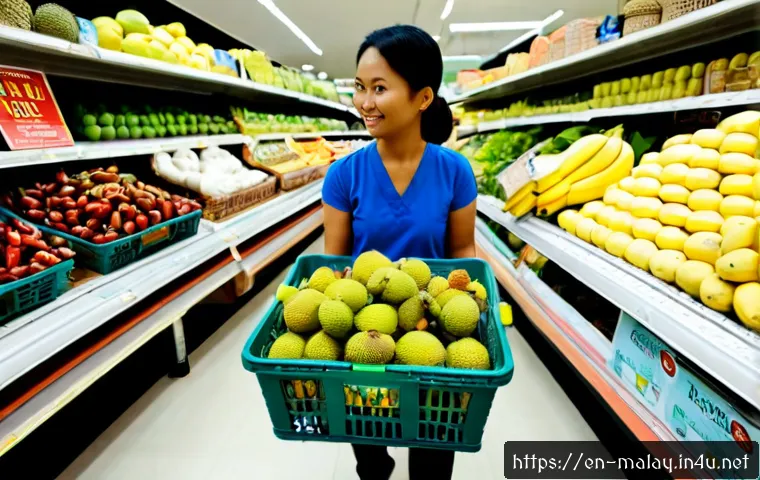
Learn how grocery shopping works in Malaysia, from choosing hypermarkets, neighborhood grocers, and wet markets to comparing prices in MYR, checking halal labels, using delivery services, and avoiding common checkout mistakes.
For a large grocery basket in Malaysia, choose a hypermarket; for everyday top-ups, use a neighborhood supermarket; and use grocery delivery when saved time matters more than the extra fee. The best value usually comes from comparing your full basket in MYR/RM, not simply picking the store with the lowest-looking shelf sign.
Malaysia offers several practical ways to buy food, from large supermarkets and wet markets to convenience shops and specialty grocers. Your choice depends on basket size, travel time, dietary needs, access to payment methods, and whether imported products are important to you. Local staples are often a sensible base for a grocery budget, while imported brands can raise the final total. Check labels carefully, especially for halal, allergens, ingredients, storage, and expiry information. Before paying, confirm accepted cards or e-wallets, bag policies, and delivery conditions for that store or location.
At a Glance
- Choose hypermarkets for larger weekly baskets, neighborhood supermarkets for quick routine purchases, and delivery when convenience outweighs fees.
- Use Malaysian ringgit (MYR/RM) to compare the full cost of staples, fresh food, snacks, and imported products.
- Check halal labels, expiry dates, payment options, bags, and delivery coverage before you complete your order.
| Store format | Best use | Typical trade-off | Payment check | Delivery suitability |
|---|---|---|---|---|
| Hypermarket | Weekly or family-size grocery runs | May require more travel and time | Confirm your preferred card, cash, or e-wallet option | Useful if coverage and fees suit a large basket |
| Neighborhood supermarket | Regular top-up shopping | Product range may be more limited | Check payment acceptance at checkout | Convenient for smaller, time-sensitive orders |
| Wet market | Fresh produce and local ingredients | Selection and pricing can vary by season and neighborhood | Confirm payment expectations before buying | Usually less suited to standard grocery delivery planning |
| Specialty grocer | Imported or dietary-specific items | Imported products may cost more | Check accepted methods before relying on a foreign card | Worth considering when specialty items are the priority |
The Quickest Way to Shop Efficiently in Malaysia
Choose the store format before building your list
Start by deciding what kind of trip you need. A hypermarket makes sense when you need a larger basket of pantry goods, household basics, and fresh food. A neighborhood supermarket is usually more practical for milk, fruit, breakfast items, or a few missing ingredients. Convenience stores help with urgent purchases, while wet markets and specialty grocers can be better when fresh local ingredients or imported foods are the main goal.
Do not build a long list first and then force every item into the nearest store. That approach can add travel time, encourage unnecessary substitutions, and make it harder to judge value.
Start with local staples and add imported items selectively
A simple way to manage a grocery budget in Malaysia is to separate essential local items from optional imported purchases. Put staples, fresh produce, and everyday snacks on the main list. Then add imported sauces, cereals, cheeses, familiar brands, or specialty ingredients only where they genuinely matter to your meal plan.
Imported foods may cost more than locally produced alternatives. That does not mean they are never worth buying; it means they should be a deliberate part of the basket rather than an automatic choice.
Check payment, bags, and delivery options before checkout
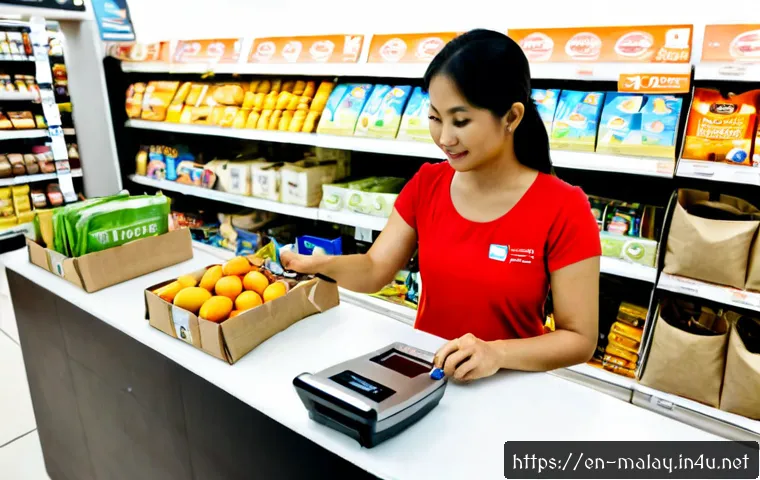
Payment methods can vary by outlet and location. Before filling a large trolley or placing an online order, check whether your preferred foreign card, cash, mobile wallet, or payment app is accepted. Also review bag policies if you are shopping in person. For grocery delivery, check the delivery area, available time slots, fees, substitutions, and stock status before relying on it for an essential meal.
Compare Supermarket Options by Basket Size, Convenience, and Value
Hypermarkets for family-size or weekly grocery runs
Hypermarkets are a strong option when your list includes several categories: dry goods, chilled products, produce, drinks, snacks, and household supplies. They can reduce the need for multiple stops and make basket-level comparison easier. The trade-off is that travel, parking, walking time, or queue time may offset the convenience for a small purchase.
Neighborhood supermarkets for routine top-up shopping
Neighborhood supermarkets are useful when you need only a few items and want to keep the trip short. They are especially practical for visitors staying near a residential area and new residents who are still learning local shopping patterns. Their range may be narrower than a hypermarket’s, so a specific imported brand or specialty ingredient may not be available.
Wet markets, convenience stores, and specialty grocers: when each makes sense
Wet markets can be a sensible choice for shoppers focused on fresh produce and local ingredients, but quality and pricing can differ by neighborhood, season, and individual vendor. Convenience stores are for speed, not for building a cost-focused weekly basket. Specialty grocers are useful when a particular imported item, dietary preference, or premium food selection matters more than broad value.
For halal food shopping, do not assume suitability based on product category alone. Check the current package label and ingredient information for the item you are considering.
Comparison Table: Price Focus, Product Range, Travel Time, and Delivery Value
Think of each store type as a tool. A hypermarket favors range and larger baskets. A neighborhood supermarket favors quick access. A wet market may suit produce-focused shopping. A specialty grocer favors selection for specific needs. Grocery delivery favors time savings, provided that fees, coverage, substitutions, and the final basket total remain acceptable.
Build a Grocery Budget in Malaysian Ringgit
Separate staples, fresh items, snacks, and imported foods
Use a simple four-part list in MYR/RM: staples, fresh items, snacks or drinks, and imported or specialty foods. This makes it easier to see which category is increasing your total. It also helps short-stay visitors avoid buying oversized packs that will not be used before departure.
Compare unit prices rather than relying only on promotion signs
A promotion sign can be useful, but it is not the whole decision. Compare pack size, unit price where shown, expected use, and whether the product will actually be consumed. A larger pack may fit a family household but make little sense for a traveler with a small apartment kitchen.
When delivery fees can be worth paying
Grocery delivery can be worth considering when it prevents a long trip, helps you carry a larger basket, or frees time after arrival. Compare the basket total, delivery fee, travel time, and any imported-product markup before choosing. If you only need a few inexpensive items nearby, in-store shopping may be the simpler option. Check the relevant delivery service page for current coverage, fees, payment methods, and order conditions.

Shop Confidently: Labels, Fresh Food, Payments, and Checkout
Check halal, allergen, ingredient, and storage information
Supermarkets in Malaysia commonly stock halal-certified products alongside products carrying different dietary labels. Read the current label rather than relying on shelf placement, packaging color, or a familiar brand name. If you have an allergy, vegetarian requirement, or other dietary restriction, inspect the ingredient list, allergen statement, and storage directions carefully.
Inspect produce, chilled items, and expiry dates
Fresh produce quality can differ by outlet, season, and neighborhood. Look at condition, ripeness, and whether the quantity matches your plan. For chilled and packaged foods, check the expiry date and storage information before putting them in your basket. This is particularly helpful if your accommodation has limited refrigerator space.
Confirm card, cash, e-wallet, and bag policies
Do not assume that a payment option accepted at one store will work everywhere. Confirm your preferred method before checkout, especially if you are using a foreign-issued card or a mobile payment app. Keep an alternative payment option available when possible, and check whether you need to bring or purchase shopping bags.
Grocery Strategies for Different Types of Shoppers
Short-stay visitors using hotel or apartment kitchens
Buy for the number of meals you will realistically prepare. A neighborhood supermarket may be enough for breakfast supplies, fruit, drinks, and simple cooking ingredients. Choose small, flexible items and avoid stocking up on specialty products unless you know you will use them.
New residents stocking a home for the first week
Begin with a practical base: pantry staples, a few fresh items, basic snacks, and household essentials. Use the first shop to learn what your nearest supermarket carries. Then make a second, more selective trip for imported foods, premium items, or specialty dietary products if needed.
Families balancing value packs, fresh food, and delivery convenience
Families can use a mixed strategy: a hypermarket or larger supermarket for staples and household goods, then a nearby store or wet market for fresh top-ups. Delivery can reduce the burden of carrying a large basket, but check whether delivery fees and substitutions still make sense for your planned order.
Selection Criteria and Comparison Summary
Choose based on the total basket cost, not the shelf price of one item. Compare basket total, delivery fee, travel time, product availability, payment options, and imported-product markup before choosing. For many shoppers, a two-store strategy works well: buy local staples and fresh basics where value is strongest, then visit a specialty retailer only for items that are difficult to replace. Confirm halal, allergen, expiry, and payment details at the point of purchase. For delivery or premium grocery options, review the official listing or service page for current terms before placing an order.
In Closing
Efficient grocery shopping in Malaysia starts with choosing the right store format for the size and purpose of your basket. Hypermarkets, neighborhood supermarkets, wet markets, convenience stores, specialty grocers, and delivery services each solve a different problem. Keep the budget in MYR/RM, prioritize items you will actually use, and treat imported products as a separate decision. A quick label and payment check can prevent most avoidable checkout surprises.
Useful Information to Know
1. Prices, promotions, stock, delivery coverage, and accepted payments can differ by store and location.
2. Fresh produce quality and pricing may vary by season, neighborhood, and outlet type.
3. Current package labels are the safest source for halal, allergen, ingredient, vegetarian, and storage information.
4. Imported brands may not be available at every branch.
Important Points to Remember
This guide does not state fixed prices, delivery fees, opening hours, loyalty benefits, or payment acceptance because these can change by outlet and location. Always check current labels, store policies, and delivery conditions before buying. If a dietary need is important, verify the individual product rather than relying on general assumptions about the store.
Frequently Asked Questions
Q1. Is grocery shopping in Malaysia cheaper at hypermarkets than smaller supermarkets?
A1. Not in every situation. Hypermarkets can be practical for larger baskets because they offer broad product ranges, while smaller supermarkets may save time for routine top-ups. Compare the full basket in MYR/RM, travel time, and any delivery fee rather than assuming one format is always cheaper.
Q2. What should visitors check when buying halal food at a Malaysian supermarket?
A2. Check the current product label and ingredient information. Supermarkets commonly carry halal-certified products alongside products with different dietary labels, so suitability should be confirmed item by item.
Q3. Is grocery delivery in Malaysia worth the extra cost for tourists or new residents?
A3. It can be worthwhile when it saves significant travel or carrying time, particularly for a larger first-week order. Before deciding, compare the basket total, delivery fee, delivery coverage, available stock, payment method, and any substitutions with the effort of shopping in person.