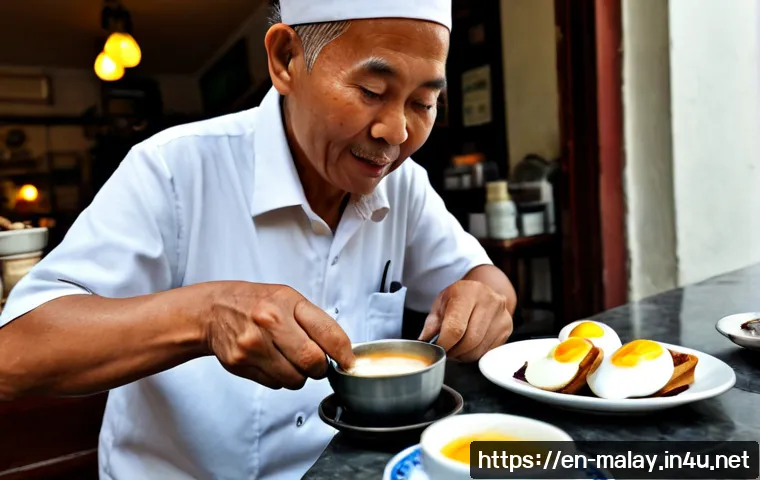
For a classic Malaysian breakfast, choose a kopitiam and order local-style kopi with toast, eggs, or a breakfast dish. For espresso, filter coffee, and single-origin beans, choose an independent specialty café.

If time is limited, pick a café close to your accommodation or the next stop on your itinerary rather than crossing the city for one drink. Malaysia offers traditional coffee shops and modern cafés side by side, so the best choice depends on flavor preference, food plans, comfort, and queue tolerance.
Comparing current menus, transport access, and café reviews can help you decide whether a coffee stop, bean purchase, or guided food tour fits your travel budget.
At a Glance
- Kopitiams are the natural choice for traditional kopi, toast, eggs, and everyday Malaysian breakfast culture.
- Specialty cafés suit visitors looking for espresso, filter coffee, roasting, and single-origin bean options.
- Check the café’s current menu, hours, queue situation, and location before making it a dedicated stop.
| Venue type | Typical atmosphere | Menu focus | Likely spending level | Best for |
|---|---|---|---|---|
| Kopitiam | Practical, local, breakfast-oriented | Kopi, toast, eggs, local breakfast dishes, teh tarik | Usually a value-focused choice; check the current menu in RM | First breakfasts, traditional flavors, quick meals |
| Independent specialty café | Modern, coffee-focused, often slower-paced | Espresso, filter coffee, modern food, roasted and single-origin beans | Often higher than a basic coffee shop; compare current RM menus | Coffee enthusiasts, bean shoppers, relaxed afternoons |
| Hotel café | Comfortable and convenient | Coffee with broader dining options | Varies by hotel and neighborhood | Travelers prioritizing convenience and an easy meeting point |
| Tourist-oriented coffee stop | Visitor-friendly and itinerary-driven | Recognizable local drinks, snacks, souvenirs, or photo-friendly menus | Compare menu prices and inclusions before ordering | Short-stay travelers who want a simple, accessible stop |
The Quick Answer: Which Malaysian Coffee Experience Should You Try?
The simplest answer is to try both styles if your itinerary allows. Start with a kopitiam when you want coffee as part of a Malaysian breakfast, then visit a specialty café when coffee itself is the main interest. The better value is not always the lowest-priced drink; it is the stop that fits your location, meal plan, and preferred coffee style.
Choose a kopitiam for local breakfast and traditional kopi
A kopitiam is a strong first choice for travelers who want a familiar everyday setting rather than a curated coffee experience. Traditional Malaysian coffee shops commonly serve coffee alongside toast, eggs, and local breakfast dishes. Ask about the available sweetness and milk options if you are particular about how your coffee is prepared.
Local-style kopi is commonly made with roasted beans and can be served in different styles. If coffee is not your preference that morning, teh tarik, the pulled milk tea commonly found at Malaysian eateries and coffee shops, is an easy alternative. Keep expectations practical: service pace, seating, and payment methods can differ from one venue to another.
Choose a specialty café for espresso, filter coffee, and modern food menus
Choose a specialty café when you care about espresso drinks, filter coffee, roasting, or single-origin beans. Malaysia’s specialty scene includes cafés that focus on these brewing styles, often with a more deliberate approach to coffee selection and preparation. This is also the more useful stop if you are considering beans as a travel purchase or want to compare roast preferences.
Before spending more for a premium coffee experience, look at the current menu. Check whether the café offers the brewing method you actually want, whether food is available, and whether beans are sold for home brewing. A polished interior alone does not tell you whether the menu suits your taste.
Choose by neighborhood when time and transport are limited
Kuala Lumpur, Penang, Ipoh, Johor Bahru, Melaka, and Kota Kinabalu all have food and café districts that visitors often explore. Rather than treating coffee as a separate cross-city mission, match it to a neighborhood already on your route. A nearby kopitiam before sightseeing may be more rewarding than a distant café reached after a long transfer.
For short stays, compare accommodation neighborhoods and transport options before building a café list. A well-located hotel or apartment can make morning coffee, breakfast, and evening café stops much easier to fit into the day.
Understanding Malaysia’s Coffee Traditions
Kopi, kopitiams, and everyday coffee rituals
Kopi commonly refers to local-style coffee, while a kopitiam is the traditional coffee-shop setting where it is often enjoyed. The appeal is not only the cup itself. It is the combination of coffee, breakfast foods, conversation, and a routine that feels connected to daily life.
For visitors, this means a kopitiam visit works best when approached as a meal stop. Pairing coffee with toast, eggs, or local breakfast dishes gives more context than ordering a drink alone. If you have dietary restrictions or allergy concerns, ask the venue directly about ingredients and preparation.
Ipoh white coffee and regional coffee identities
Ipoh is widely associated with white coffee, a style commonly made with beans roasted using margarine and served with milk. It is a useful regional coffee experience for travelers visiting Ipoh, especially when they want to understand why the city is linked so closely with this particular style.
Do not assume that every white coffee will taste identical. Preparation, sweetness, milk, and the individual venue can shape the final drink. If white coffee is central to your visit, check the current menu and ask how the café serves it rather than relying on old travel posts.
How traditional drinks differ from third-wave coffee menus
The main difference is purpose and presentation. Traditional coffee menus tend to center on local-style drinks and everyday food, while specialty cafés may highlight espresso, filter brewing, roasting, and bean origin. Neither is automatically “better.” They answer different questions: one is about local breakfast culture, and the other is about coffee technique and flavor exploration.
A practical itinerary can include one of each. That approach avoids comparing a cup of kopi directly with a filter coffee that was designed for a completely different experience.
Kopitiam vs Specialty Café: Atmosphere, Menu, and Value Comparison
What to expect from pricing in Malaysian ringgit
Malaysia uses the Malaysian ringgit (RM), but café prices can vary substantially by city, neighborhood, venue type, and drink preparation. Use current menus to set your budget rather than relying on a single published range. A traditional breakfast stop and a specialty coffee bar may serve different needs, so compare the full order: drink, food, service style, and location convenience.
When planning a café-hopping day, keep a little flexibility. One premium coffee stop may be worthwhile if it includes the brew style or bean selection you want, while a nearby kopitiam may offer better value for a full breakfast.
Breakfast value, coffee quality preferences, and service pace
For breakfast value, a kopitiam often makes sense because coffee is naturally paired with food. For coffee-focused quality preferences, a specialty café may be the better match if you care about espresso calibration, filter options, or buying beans. The key is to define quality for yourself before ordering.
Also consider pace. Some travelers need a quick meal before a tour, while others want a long, quiet afternoon. Check recent venue information for queues, table policies, and whether laptops are welcome. Those details can matter more than a highly photographed drink.
When a premium café experience is worth the extra spend
A higher-spend café visit can be worthwhile when it delivers something specific: a preferred brewing method, a chance to sample a single-origin coffee, access to roasted beans, or a comfortable place to rest between activities. It is less worthwhile when you are simply hungry, rushed, or heading to a neighborhood known for traditional breakfast.
If you are choosing between a coffee tour and independent café hopping, compare what is included, how much transport is involved, and whether the experience focuses on the coffee styles you want to try. Look for current itinerary details before booking.
How to Find Good Cafés in Kuala Lumpur, Penang, Ipoh, and Beyond
Selecting cafés by neighborhood, itinerary, and transport access

Start with the neighborhood, not a viral café list. Kuala Lumpur may suit travelers who want a broader range of modern cafés alongside city sightseeing. Penang, Ipoh, Johor Bahru, Melaka, and Kota Kinabalu each offer their own food and café districts worth exploring within a wider itinerary.
Choose a stop near a museum, market, heritage area, shopping district, or transport connection already on your plan. This lowers the risk of spending a large part of the day in transit for a café that may have a queue or changed hours.
Questions to check before visiting: hours, queues, dietary needs, and payment
Before you go, verify the details that can change: opening hours, current operation status, reservation policy, queue expectations, payment methods, and accessibility. If you need halal options, vegetarian food, allergen information, or specific ingredient confirmation, contact the café directly. These details should not be assumed from older listings or social posts.
For work-friendly cafés, check whether there is reliable seating, acceptable laptop use, and an atmosphere that matches your needs. A café can serve excellent coffee without being designed for long work sessions.
Avoiding tourist-trap choices without dismissing popular venues
A popular coffee stop is not automatically a poor choice. It may be popular because it is easy to find, close to attractions, or offers a recognizable local drink. The better question is whether it matches your priorities: traditional flavor, coffee quality, food, comfort, speed, or a convenient location.
Compare a few current menus and recent practical details, then decide. A well-known venue can be a sensible first stop, while a smaller neighborhood café may be better when you have more time to explore.
Café Tips for Different Types of Travelers
First-time visitors seeking a classic Malaysian breakfast
Begin with a kopitiam. Order kopi in the style that appeals to you, add toast or eggs, and consider a local breakfast dish if available. This is one of the clearest ways to experience Malaysian coffee culture without turning the morning into a complicated search.
Specialty-coffee travelers looking for beans and brewing options
Prioritize cafés that clearly list espresso, filter coffee, roast information, or bean options. Ask what is currently available rather than assuming a café carries the same coffee all year. If you want beans to take home, inspect the package information and choose a roast and brewing style that work with your equipment.
For a more structured experience, compare coffee tours by the cafés or roasters included, time spent traveling, group size, and whether the focus is on tasting, food, or bean buying.
Remote workers and relaxed afternoon café visitors
Comfort matters as much as coffee. Look for a café near your accommodation or transit route, then confirm current hours, seating conditions, and payment options. A hotel café may be practical for a meeting or a short work session, while an independent specialty café may better suit a leisurely coffee break.
Selection Criteria and Comparison Summary
Choose a kopitiam for traditional flavor and breakfast value. Choose a specialty café for espresso, filter coffee, roasting, and bean selection. Choose a hotel café or nearby modern café when comfort, location, and a predictable stop matter most.
Before spending on café hopping, a food tour, accommodation, transport, or beans, check these points:
- Flavor goal: local kopi, Ipoh white coffee, espresso, or filter coffee.
- Food need: breakfast, a light café meal, or coffee only.
- Location: close to your itinerary, accommodation, or transport connection.
- Practical details: current RM menu, hours, queues, payment, and seating.
- Purchase purpose: drink now, buy beans, or join a guided food or coffee experience.
For tours, transport, accommodation neighborhoods, and bean purchases, review the current details and conditions on the relevant provider page before deciding.
Final Thoughts
Malaysia’s coffee culture is broad enough to reward more than one kind of visit. A kopitiam gives you a direct connection to local breakfast habits, while a specialty café offers a different route into espresso, filter coffee, and beans. The most satisfying plan is usually simple: choose the style that fits the moment and keep the stop close to where you already want to be. Check live information before making a special trip.
Useful Things to Know
1. Teh tarik is a common alternative if you want a milk tea rather than coffee.
2. Ipoh is closely associated with white coffee, which is commonly prepared with margarine-roasted beans and milk.
3. Café prices in RM vary by location, venue type, and drink preparation.
4. Current operating details can change, especially for independent cafés.
Important Notes
Individual café prices, opening hours, ownership, halal status, accessibility, payment methods, dietary suitability, allergen handling, and coffee programs require direct confirmation from the venue. Menu information and visitor conditions may change, so use current official or venue-provided details when planning a dedicated visit or booking a tour.
Frequently Asked Questions
Q1. What is the difference between Malaysian kopi and specialty coffee?
A1. Malaysian kopi commonly refers to local-style coffee, often prepared with roasted beans and served with different sweetness and milk options. Specialty coffee cafés generally focus more on espresso, filter brewing, roasting, and single-origin beans. They are different coffee experiences rather than direct substitutes.
Q2. How much should I budget for coffee and breakfast at a Malaysian café?
A2. Budget in Malaysian ringgit based on the current menu of the specific venue. Prices can vary substantially by city, neighborhood, café type, food order, and drink preparation. Compare the full breakfast or coffee order, not only the price of one drink.
Q3. Is a kopitiam or a specialty café better for first-time visitors to Malaysia?
A3. A kopitiam is usually the better first stop if you want traditional kopi and a local breakfast setting. A specialty café is the stronger choice if espresso, filter coffee, roasting, or bean selection is your priority. If possible, try one of each during your visit.